



Buscador global


Mostrando del 5041 al 5050 de 7315 resultados para: Classroom: gestor de nuestras actividades de aula

Tú controlas en Internet – vídeos
Cuatro vídeos dirigidos a los menores para instarles a no participar en casos de acoso y a denunciar si son testigos
Investigando los sistemas materiales
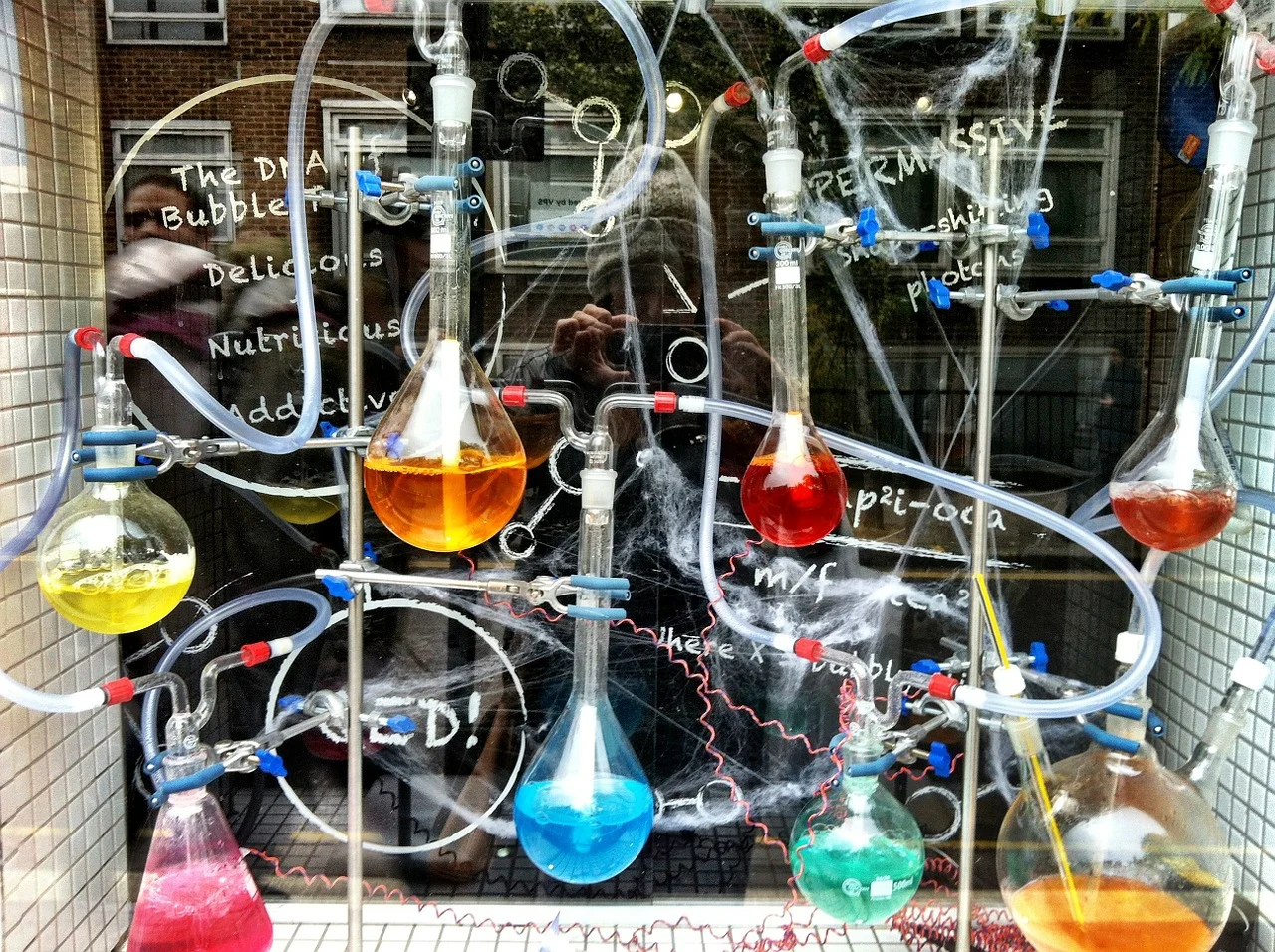
Este REA tiene como objetivo investigar los sistemas materiales, diferenciándolos en homogéneos y heterogéneos y llevar a cabo métodos sencillos de separación de los mismos según las propiedades características de las sustancias que los componen.
Así mismo, describir las disoluciones como sistemas homogéneos y realizar experiencias de preparación de disoluciones aplicando la metodología y las estrategias propias del trabajo científico. Igualmente profundizar en el uso adecuado del vocabulario científico y en seleccionar e interpretar información sobre un tema científico.
La secuencia didáctica está formada por situaciones de aprendizaje, presentadas en forma de retos de diferentes sesiones de duración que conllevan investigaciones guiadas, ligadas a una producción final.
Probabilidad condicionada
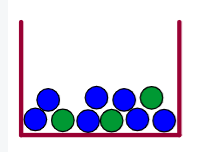
Introducción a la probabilidad condicionada a través de la visualización de sucesivas extracciones de bolas sin reemplazamiento de una cierta urna.
Cercando un terreno – problema 1
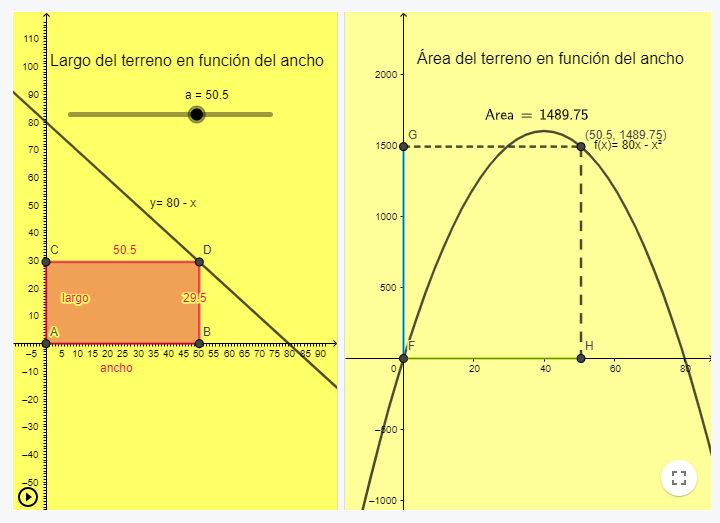
Applet de GeoGebra que presenta un problema real de aplicación de función cuadrática.

Decálogo seguridad en las RRSS
Documento que contiene recomendaciones de buenas prácticas en redes sociales.
Polígonos y sus elementos
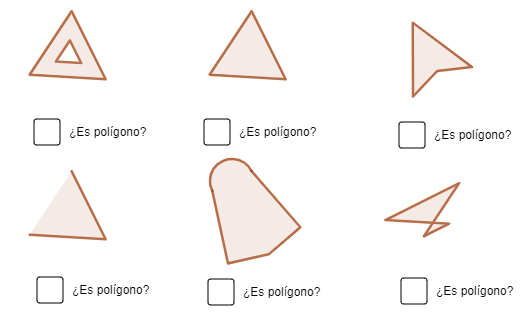
Applet de GeoGebra que presenta una descripción de polígonos y su previsualización, junto con ejercicios con solución.
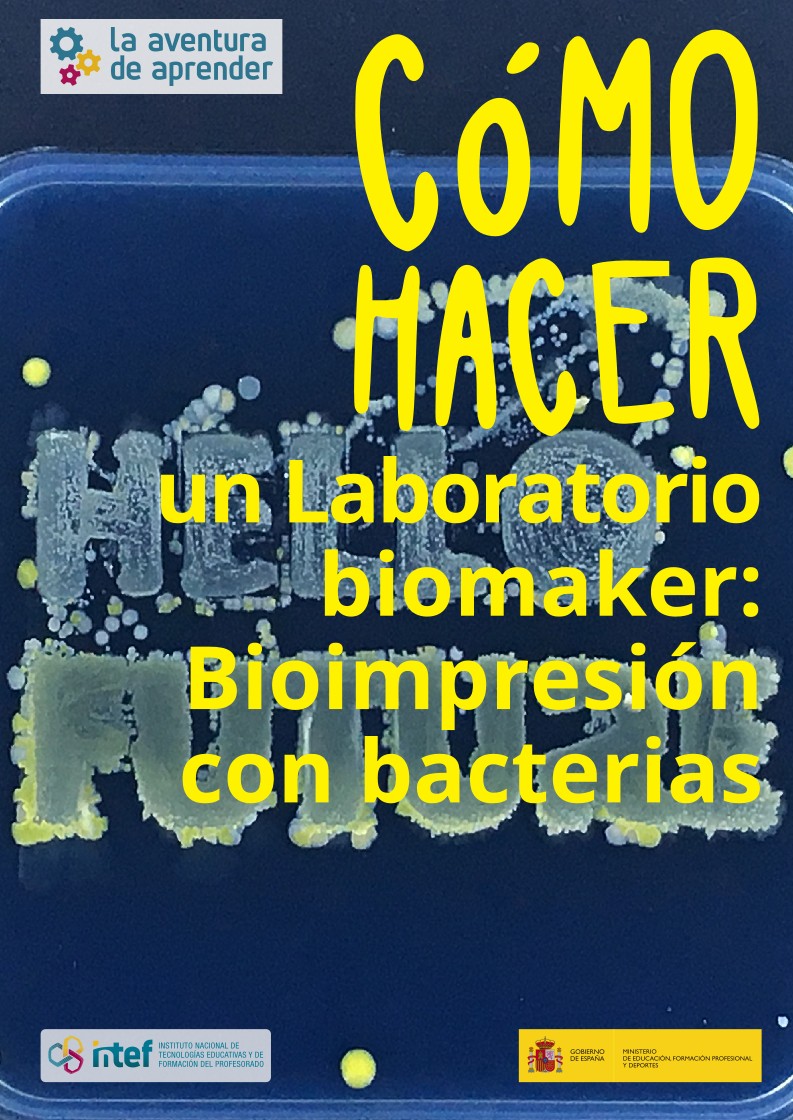
Cómo hacer un Laboratorio biomaker: Bioimpresión con bacterias.
En la guía LADA de ‘Cómo hacer un Laboratorio biomaker: Bioimpresión con bacterias.’nos introduce a la creación con pigmentos biológicos, en concreto a la bioimpresión con bacterias. Los pigmentos biológicos o bio-pigmentos son partículas coloreadas en organismos vivos como las bacterias, plantas o algas.
EDUcharla 22: «La evaluación educativa: retos y novedades»
EDUcharla dedicada a la evaluación competencial. Dado que un cambio en la evaluación implica un cambio en el planteamiento del planteamiento de los aprendizajes, nuestros invitados nos hablan sobre cómo integrar la evaluación competencial, exponiendo ejemplos concretos que ellos mismos aplican en el aula, y nos recomiendan algunas herramientas de utilidad para la evaluación competencial, como la triangulación de datos recogidos por los distintos profesores, el anecdotario, la lista de control con indicadores de logro y la rúbrica.
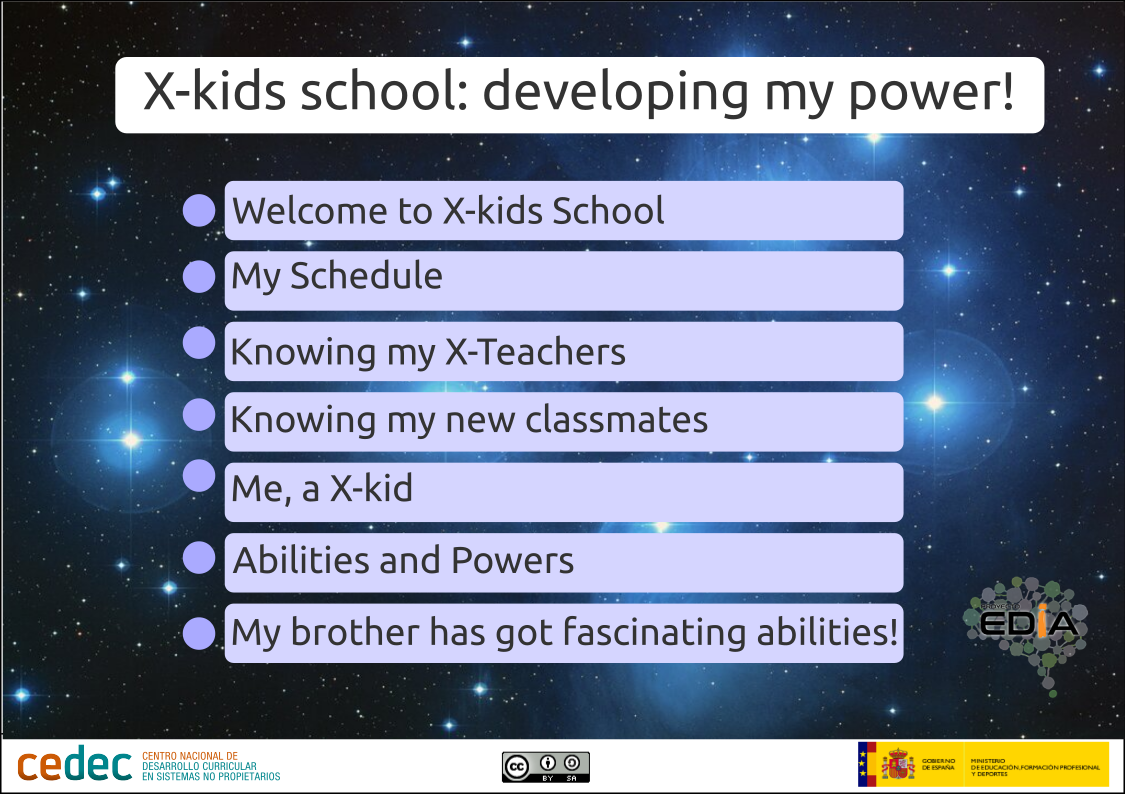
X-kids school: developing my power
This Open Educational Resource (OER) is designed to enhance students’ English language proficiency and ICT skills through the engaging theme of superheroes. By participating in this project, learners will develop both key and specific competences while working within a creative and motivating context. Throughout the process, students will practice reading and writing emails, introducing themselves, describing people, debating, and making decisions. Additionally, they will learn to ask and answer yes/no questions using the verbs «to be» and «to have,» as well as comprehend and produce both oral and written texts.
The project also focuses on building vocabulary in various areas, including days of the week, time, clothing, weapons, physical and personality adjectives, sports, music, hobbies, powers and abilities, school subjects, and cultural elements such as the English breakfast. Pronunciation will be emphasized for common grammatical structures like «is/isn’t,» «are/aren’t,» «has/hasn’t,» «have/haven’t,» and modal verbs such as «can/can’t.» Students will also relate English vocabulary to their mother tongue, enhancing their understanding and retention, while translating voice messages and solving real-world problems.
In addition to language development, the OER promotes essential ICT and life skills. Students will use digital tools to design avatars, create presentations and posters, and conduct online research. They will also use online dictionaries to support pronunciation and comprehension, improving their research and visual design skills. The project encourages awareness of the 2030 Agenda and its Sustainable Development Goals (SDGs), fostering critical thinking and global citizenship. Finally, learners will create their own CVs, preparing them for real-life applications and future challenges.
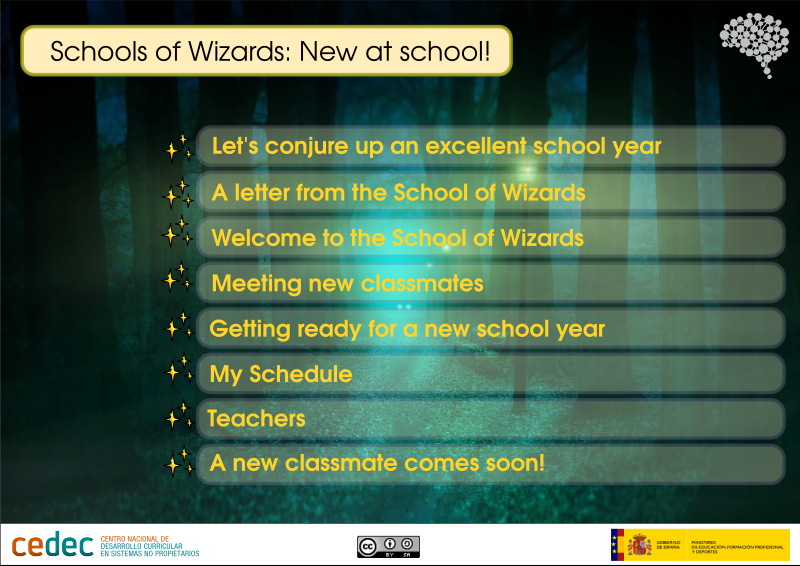
School of Wizards: New at school!
This OER will improve both English skills and ICT ones by using as a context the world of wizards. Students will develop the key competences and the specific competences. At the end of this project, they will have learnt:
- To read and write letters and emails and to analyse their structure.
- To debate, organise and take decisions.
- To describe what they are doing in a specific moment.
- To describe using the verb to be and to work in the past.
- Vocabulary related to personality description, wizards, jobs and professions, clothes, accessories, subjects and means of transports.
- To explain information and remember details.
- To develop research skills and visual design skills.
- To practice oral and written mediation by solving problems of students’ parents and helping new students.
- To translate messages in other languages
- To use the present continuous for future arrangements.
- To know the 2030 Agenda and its 17 SDG.
- To know Celtic names.