



Buscador global


Mostrando del 561 al 570 de 1234 resultados para: Classroom: gestor de nuestras actividades de aula filtrando por: Situación de aprendizaje
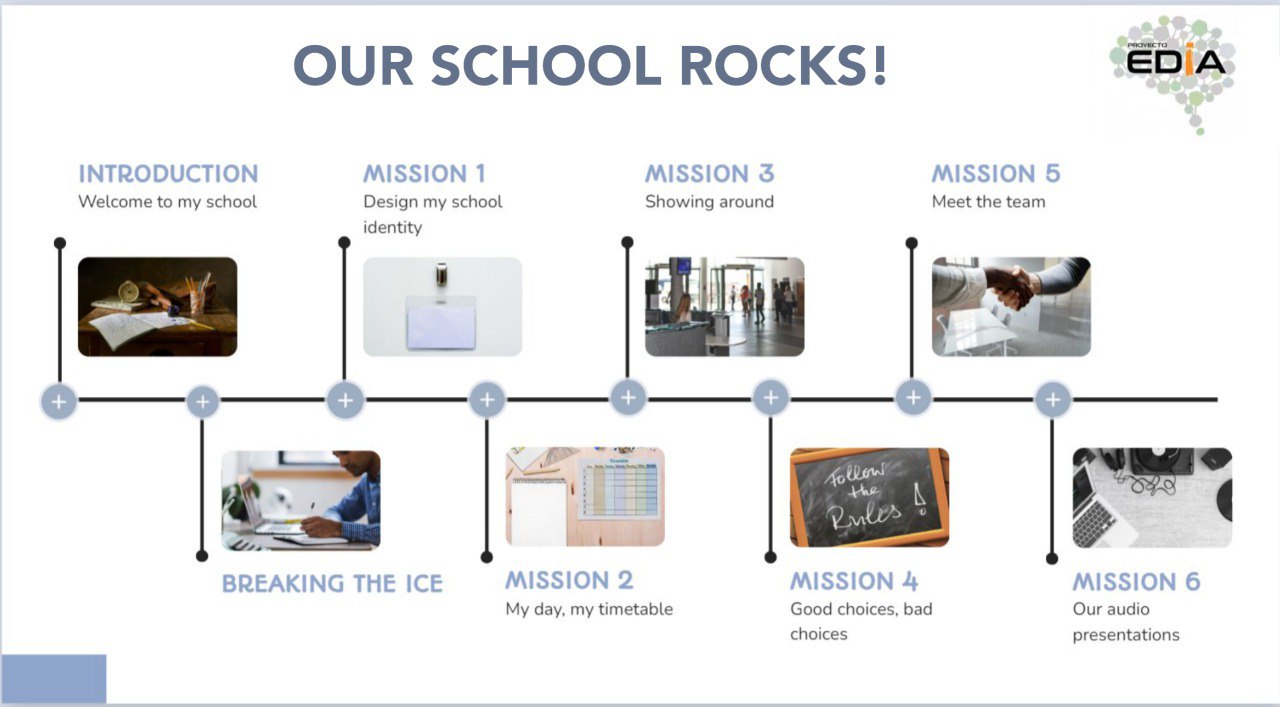
Our school rocks!
This OER will help to develop students’ English skills and ICT knowledge. The main objective is to introduce students to their new school by carrying out different tasks that will allow them to learn about the facilities, staff or school timetable, as well as to give and ask for personal information. This knowledge will help in the acquisition of the specific competences.
At the end of this project, students will have:
- – Learnt to give and ask for personal information.
- – Created their own school ID card.
- – Designed and presented their own school timetable.
- – Talked about the school facilities.
- – Created a digital poster with the school rules.
- – Interviewed Very Important People (VIP) in their school.
- – Created an audio presentation of their school to publish on the school website.
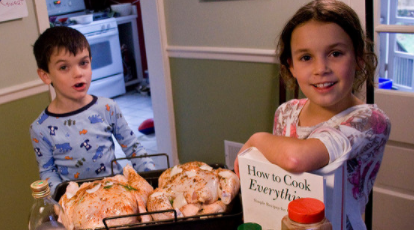
A cookbook
This resource will allow the student to know a bit more about vocabulary about food, different typical foods around the world, how to order food in a restaurant or eating healthy food.. They will become a chef and write a recipe for a cookbook of the class. In this resource, students are provided with activities to practise different linguistic contents that will help them perform several tasks using English as the vehicle of communication.
- Vocabulary: Food. Good Manner expressions. Maths vocabulary: Percentages. Cooking Verbs
- Grammar: Do / Does questions. I would like … Word order in English questions. Organize and say steps of a process
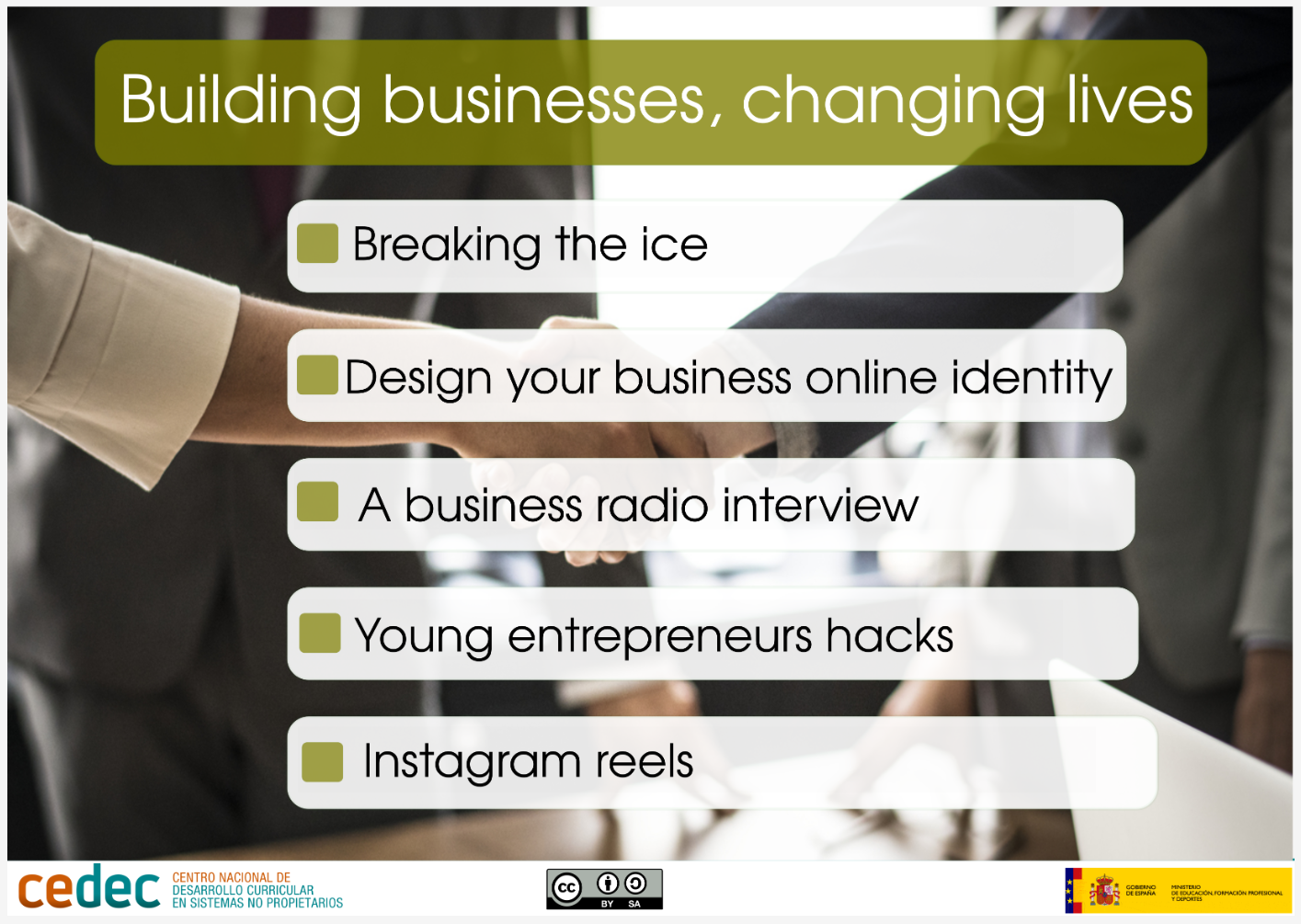
Building businesses, changing lives
Students are going to think of ways of making a positive impact on the world around them as well as mastering their English skills through engaging, interactive activities. Through service learning, students will develop the competences that define their output profile when they finish their compulsory secondary school years. At the end of the project, they will have:
- read web pages
- watched videos of entrepreneurs
- listened and recorded an interview
- given advice
- revised present and past tenses.
- used intonation in questions.
My town
This resource will allow the student to know a bit more about their hometowns. They will become touristic guides or promoters of their city by learning about it and design a final product (a flyer or a video). In this resource, students are provided with activities to practice different linguistic contents that will help them perform several tasks using English as the vehicle of communication.
- Vocabulary: City places, Prepositions, Directions,How to have a conversation
- Grammar: Present simple to describe places, Comparative Adjectives
Designing an advert
This resource will allow the student to know a bit more about comparisons and how to express ability. They will become an advertiser who design a multimedia campaign for a product they have invented. In this resource, students are provided with activities to practise different linguistic contents that will help them perform several tasks using English as the vehicle of communication.
- Vocabulary: Job adverts. Daily objects. Comparative adjectives. Superlative adjectives
- Grammar: Wh- questions. Possibility: can / can’t, could. Word order in English questions. Write about what products can/can’t do

¿Cómo quedaría España si se derritieran los polos? Misión: acción por el clima
Este recurso es uno de los proyectos que conforman el ciclo de proyectos ¿Cómo sería tu mundo ideal?. En concreto, en esta secuencia didáctica realizan una misión para la ONU: Acción por el clima. El proceso de aprendizaje se centra en:
- Conocer las interrelaciones entre el medio ambiente y la acción humana.
- Conocer los factores de localización de las ciudades.
- Conocer el lenguaje poético.
Jugamos juntos
La presente situación tiene como eje central el juego cooperativo como herramienta para el desarrollo integral del alumnado de segundo de Primaria. A través de actividades físicas vivenciales, creativas y colectivas, los niños y niñas aprenden a trabajar juntos para lograr objetivos comunes, dejando de lado la competitividad individual.
¿Podemos alcanzar el #HambreCero? Misión: erradicar el hambre
Este recurso es uno de los proyectos que conforman el ciclo de proyectos «¿Cómo sería tu mundo ideal?«. En concreto, en esta secuencia didáctica los alumnos deben cumplir la Misión para la ONU: Erradicar el hambre. El proceso de aprendizaje se centra en investigar sobre la población del mundo y de España, conocer las causas de la subalimentación y proponer soluciones, realizar entrevistas y expresar emociones en un videopoema.
Escritores del paisaje. Misión: producción y consumo responsables
Este recurso es uno de los proyectos que conforman el ciclo de proyectos «¿Cómo sería tu mundo ideal?«. En concreto, en esta secuencia didáctica los alumnos realizan una misión para la ONU: Producción y consumo responsable. El proceso de aprendizaje se centra en investigar los paisajes humanizados de los tres sectores económicos y producir textos orales y escritos.
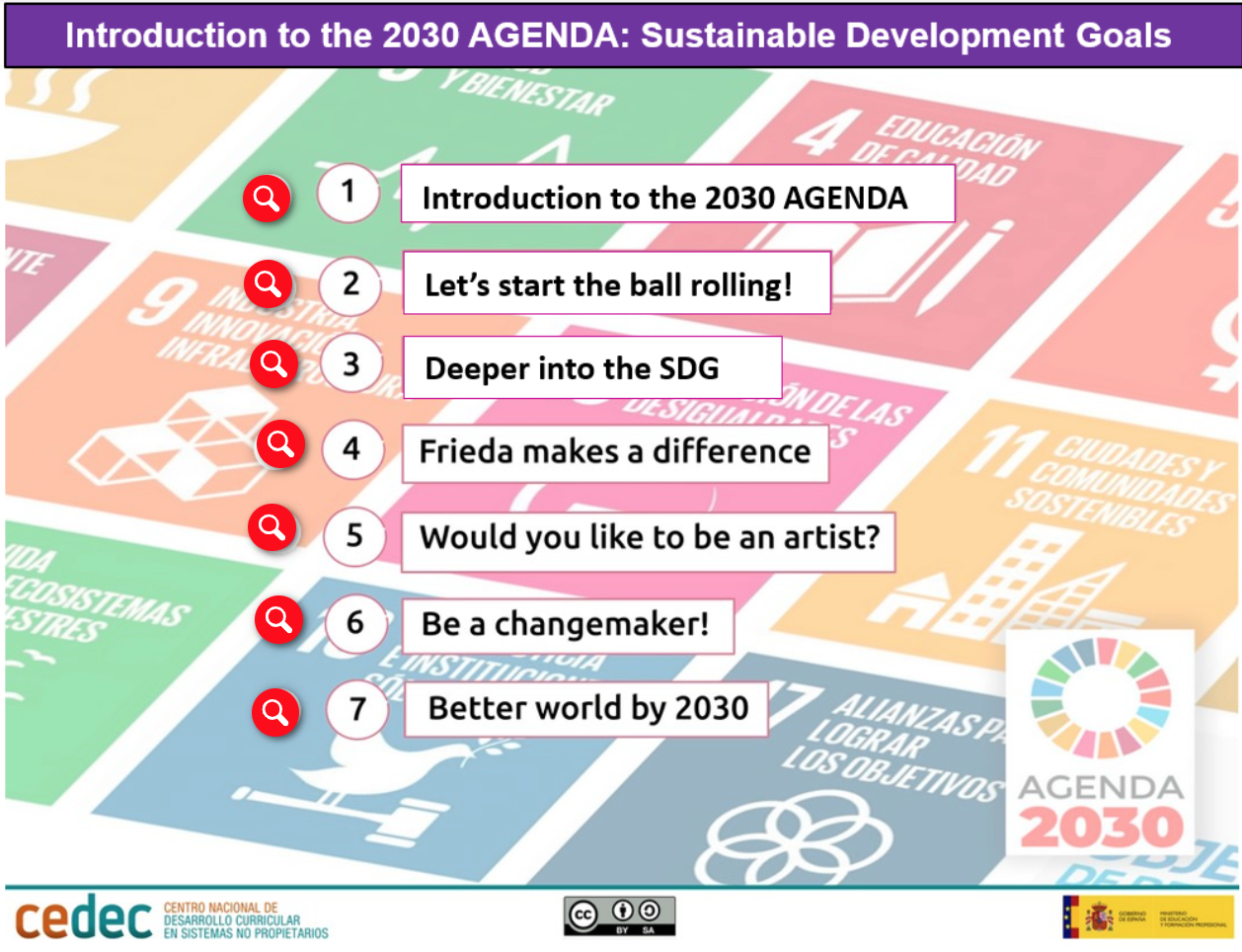
Introduction to the AGENDA 2030: Sustainable Development Goals (SDGs)
This OER will improve both English skills and ICT ones by using as a context the 2030 Agenda. Students will develop both: key and specific competences. At the end of this project, they will have learnt:
- all the sustainable development goals
- vocabulary related to sustainability
- to tell the difference between ‘needs’ and ‘wants,’
- to use their own words to explain what solidarity means,
- to invent characters in a story in order to create a comic strip,
- to compare present situations with past ones,
- to express using the past simple,
- to practice intonation, stress and rhythm.