



Buscador global


Mostrando del 551 al 560 de 1234 resultados para: Classroom: gestor de nuestras actividades de aula filtrando por: Situación de aprendizaje

Ritmos del mundo: exploramos estilos musicales
La presente situación de aprendizaje está diseñada para que el alumnado descubra la riqueza y diversidad de los estilos musicales a nivel global. A lo largo de diez sesiones, se combina la escucha activa con la interpretación, la improvisación y la reflexión crítica, de manera que los estudiantes no solo reconozcan las características formales de cada género, sino que también comprendan la música como una manifestación cultural que conecta sociedades, identidades y tradiciones. La propuesta incluye dinámicas de aula variadas, como audiciones, prácticas instrumentales, percusión corporal, danza y debates, que buscan generar un aprendizaje vivencial, participativo e inclusivo.
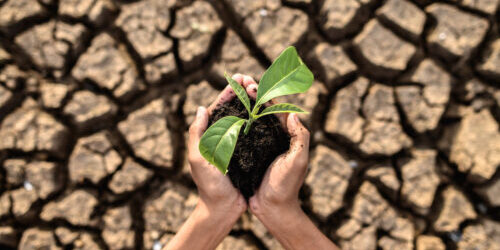
El cambio climático es una realidad
Mediante dinámicas participativas, exploraciones guiadas, actividades de empatía, trabajo cooperativo y herramientas digitales, el alumnado identifica los efectos del cambio climático en personas, animales y paisajes y propone acciones sencillas para mitigarlo desde su entorno más cercano.
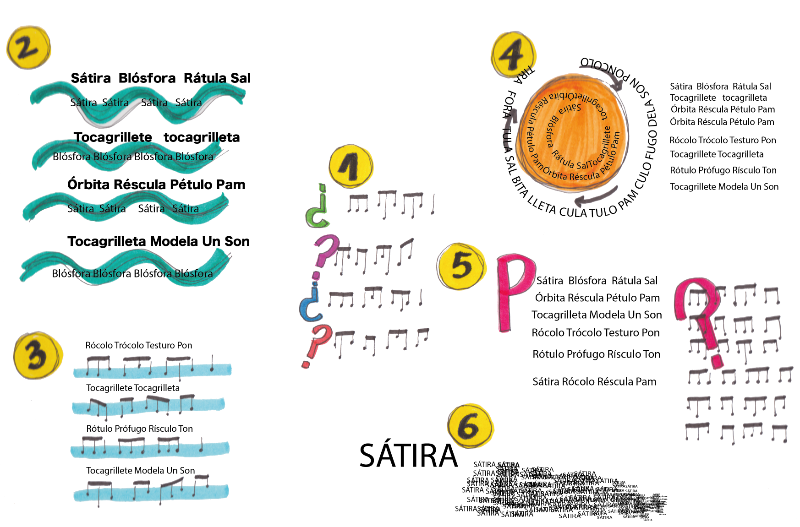
Del sonido al trazo
Esta situación de aprendizaje está enfocada al desarrollo de aprendizajes competenciales relacionados con la experimentación sonora y el proceso creativo de partituras gráficas, potenciando la creatividad y realizando acciones que permitan al alumnado comprender y conectar con los lenguajes musicales contemporáneos, experimentando con códigos y elementos creativos, más allá de la notación musical convencional. Asimismo, se relaciona con los retos del siglo XXI como la valoración de la diversidad personal y cultural, consiguiendo mediante los procesos creativos obtener aportaciones divergentes propias de la diversidad de aula y mediante las distintas composiciones musicales hechas con códigos no convencionales, utilizando grafías personales.
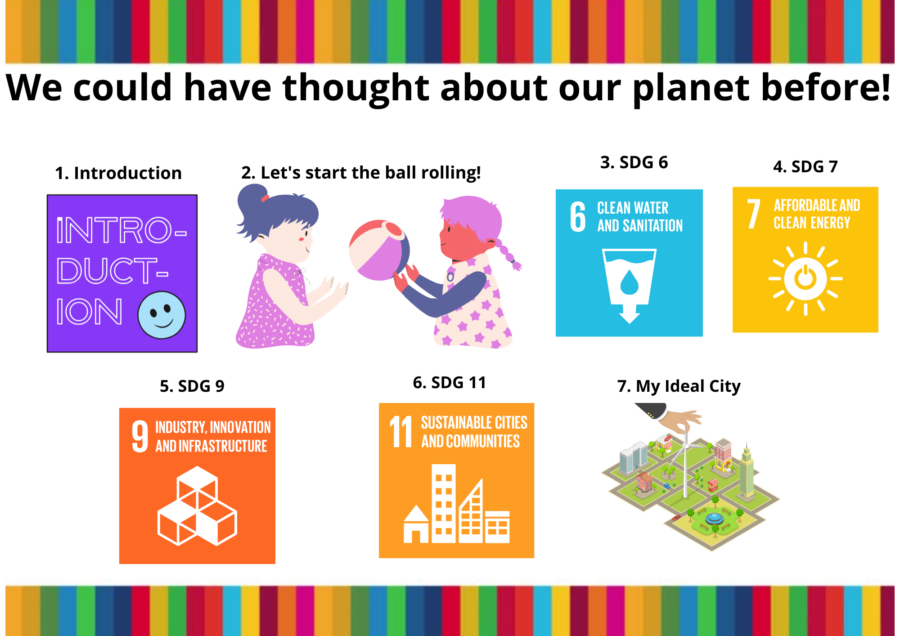
We could have thought about our planet before
This OER will improve both English skills and ICT ones by using as a context the Agenda 2030: SDG 6, 7, 9 & 11. Students will develop the key competences and the specific competences. At the end of this project, they will have learnt:
- The meaning of clean water, sanitation, affordable and clean energy, industry, innovation, infrastructure, sustainable cities and communities.
- How to explain information, remember details and read awareness.
- How to develop research skills and visual design skills.
- How to express: single past actions which have a connection with the present and unfinished actions which started in the past and continue to the present.
- How to make clear which action happened first.
- How to use relative pronouns and distinguish between defining and nondefining clauses
- How to review the pronunciation of the -ed ending in regular verbs.
- How to mediate
A sport journalist
Students will work on sports, various sportswomen or sportsmen, and compare; you will also be learning how to write and make an interview using questions in different tenses. Students will study the present simple and focus on the third person singular, the comparative adjectives and the present continuous.
- Vocabulary: Sports.Team sports and Individual Sports. How to express opinions
- Grammar: Present Continuous to say what I am doing now. Comparative and superlative adjectives. Should and Shouldn’t to give advice. The structure of a question
3R’s Campaign
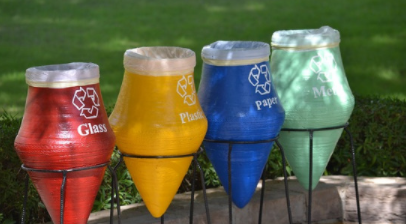
This resource will allow the student to know a bit more about vocabulary of recycling topic and how to express suggestions and intentions in English. They will become a publiscist and create a campaign for your schoolmates. In this resource, students are provided with activities to practise different linguistic contents that will help them perform several tasks using English as the vehicle of communication.
- Vocabulary: Objects that can be recycled. Eco-friendly attitudes. Recycling vocabulary and tips
- Grammar: Wh- questions. Intentions: ‘be going to’. Word order in English questions. Suggestions: ‘should / should not’

Festivities around the world
This resource will allow the student to know a bit more about vocabulary about festivities and different English-speaking countries. They will become a researcher who investigate about the main data of a festivity the students have previously chosen. In this resource, students are provided with activities to practise different linguistic contents that will help them perform several tasks using English as the vehicle of communication.
- Vocabulary: Festivities around the World. Objects that you can take to a festival. Vocabulary related to holidays
- Grammar: Wh- questions. Existence: ‘there is / there are’. Obligation: ‘must’. Prohibition: ‘must not’
School reforms
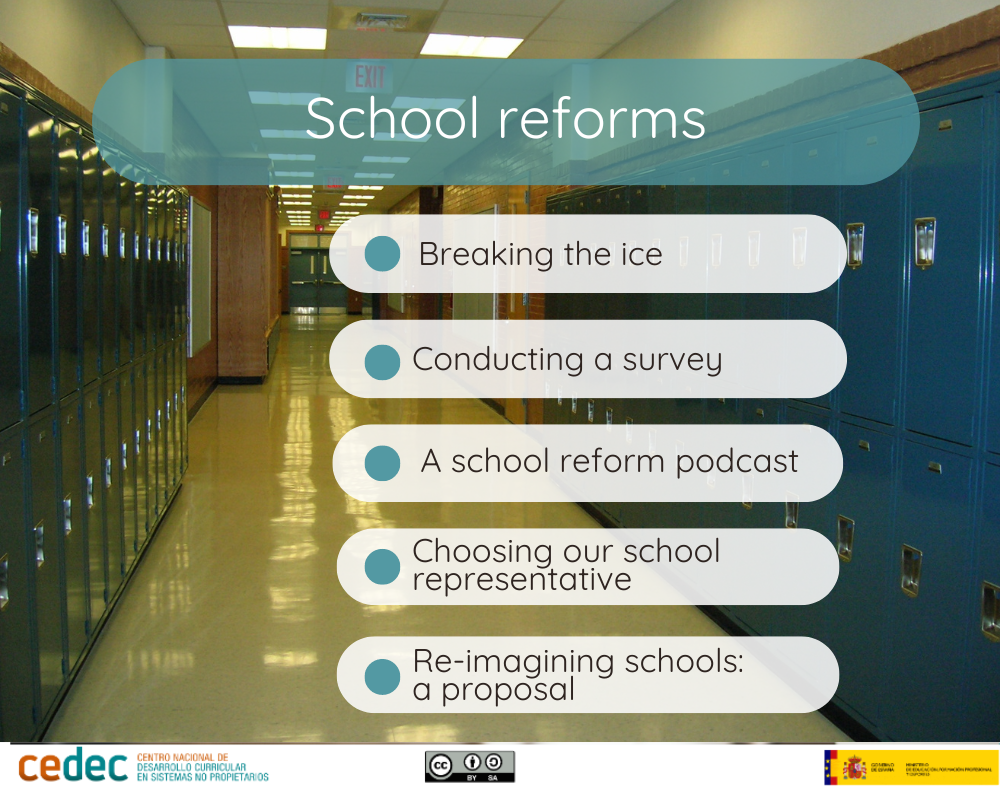
Students are going to think of ways of making a positive impact on the world around them as well as mastering their English skills through engaging, interactive activities. Through service learning, students will develop the competences that define their output profile when they finish their compulsory secondary school years.
At the end of the project, they will have:
- read web pages about how to improve schools.
- listened to podcasts about educational issues.
- learnt vocabulary about education.
- learnt how to report information.

The history of my family
This resource will allow the student to know vocabulary about family, relationships and the history of their family. They will become historians who investigate about the history of their families. In this resource, students are provided with activities to practise different linguistic contents that will help them perform several tasks using English as the vehicle of communication.
- Vocabulary: Family verbs. Special world celebrations. Saxon Genitive. Past tenses Verbs
- Grammar: Wh- questions. Past tense. Word order in English questions.Write about past events
Let the games begin
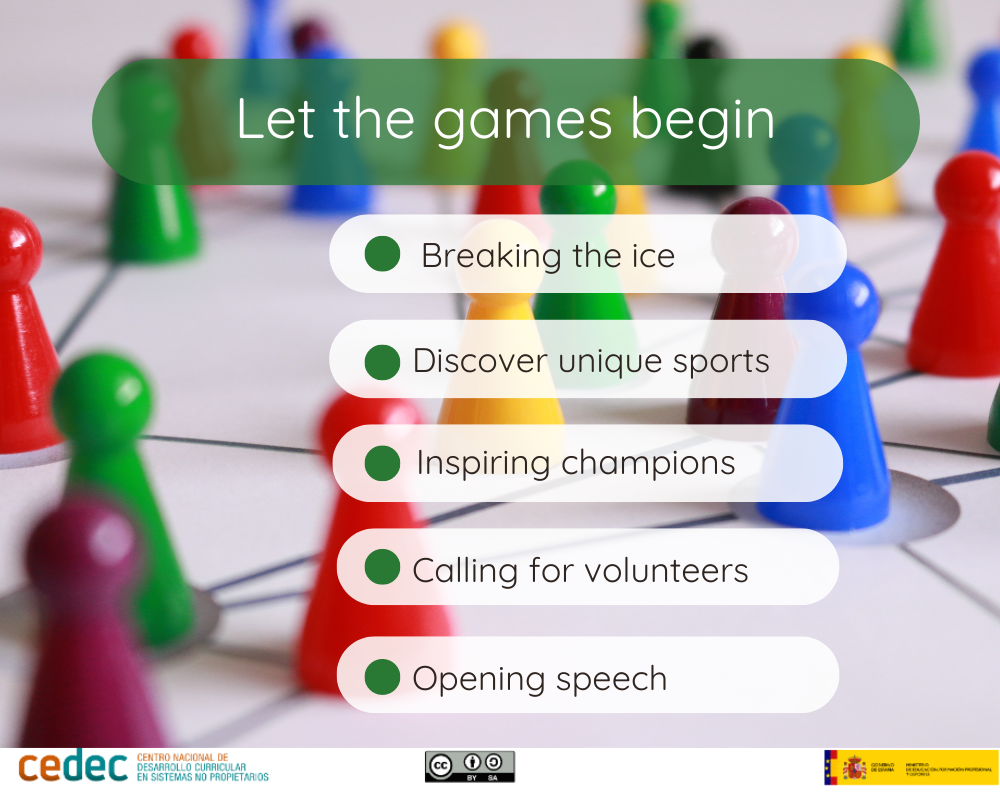
Students are going to think of ways of making a positive impact on the world around them as well as mastering their English skills through engaging, interactive activities. Through service learning, students will develop the competences that define their output profile when they finish their compulsory secondary school years. At the end of the project, they will have:
- read web pages about sports.
- watched videos about the benefits of sports and inspiring world athletes.
- taken part in a group discussion.
- mediated a form.