



Buscador global


Mostrando del 521 al 530 de 1234 resultados para: Classroom: gestor de nuestras actividades de aula filtrando por: Situación de aprendizaje

Toronto
Students will travel to Toronto to learn a lot of facts of Canada and its main cities. Each section is going to take place in a famous part of the city of Toronto. There is a proposal of tasks, challenges and activities. At the end of the project, they will have:
- read official web pages.
- watched promotional videos of Canada.
- posted tweets.
- recorded a video.
- recorded a podcast.
- made a digital poster.
- learnt the second conditional.
- learnt how to use “had better” and other modals to express advice, suggestions and recommendations.
- Pronunciation of /a:/ – /Λ/
- Know some interesting aspects about Canadian football
- Vocabulary: what to do to organize a trip to a foreign country
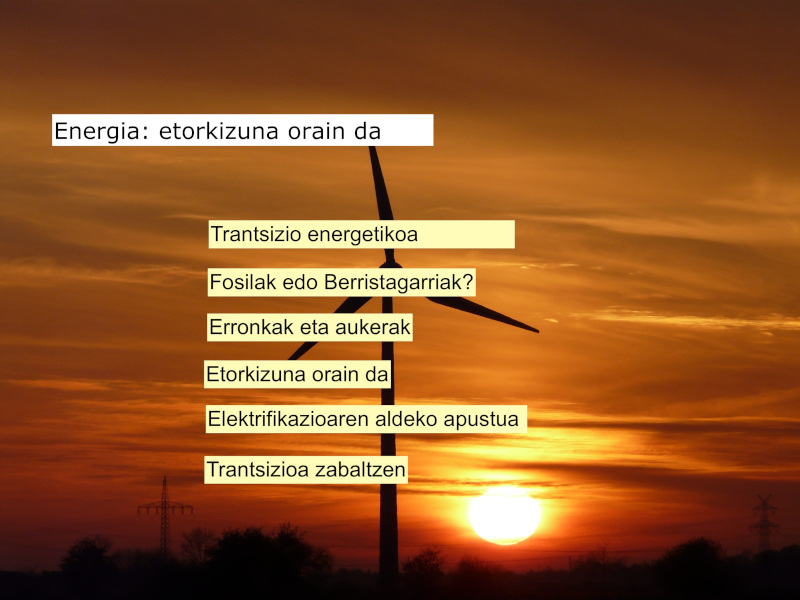
Energia: etorkizuna orain da
HBI honen helburua da energia energiatrantsizioaren ikuspegitik ikertzea, dituen gizarte- eta ingurumen-inplikazioekin. Gaiari heltzeko proposatzen diren atazek ibilbide bat osatzen dute; ibilbidearen abiapuntua da energia-motak eta horiek klima-aldaketaren aurrean dakartena ikertzea. Ildo horretatik, erronkekin eta onurekin erlazionatutako atazak planteatuko dira, eta ikasleak trantsizioan inplikatuko ditugu. Azkenik, elektrifikazioaren gaiarekin amaituko da. Ikasleen inplikazioa lortzeko, proposatzen diren atazetan eta jardueretan garrantzi handia dute jolasek, elkarlanek eta lankidetza-lanek; izan ere, horietan guztietan metodologia aktiboak bultzatzen dira, ikasleen inplikazio handia lortzeko.
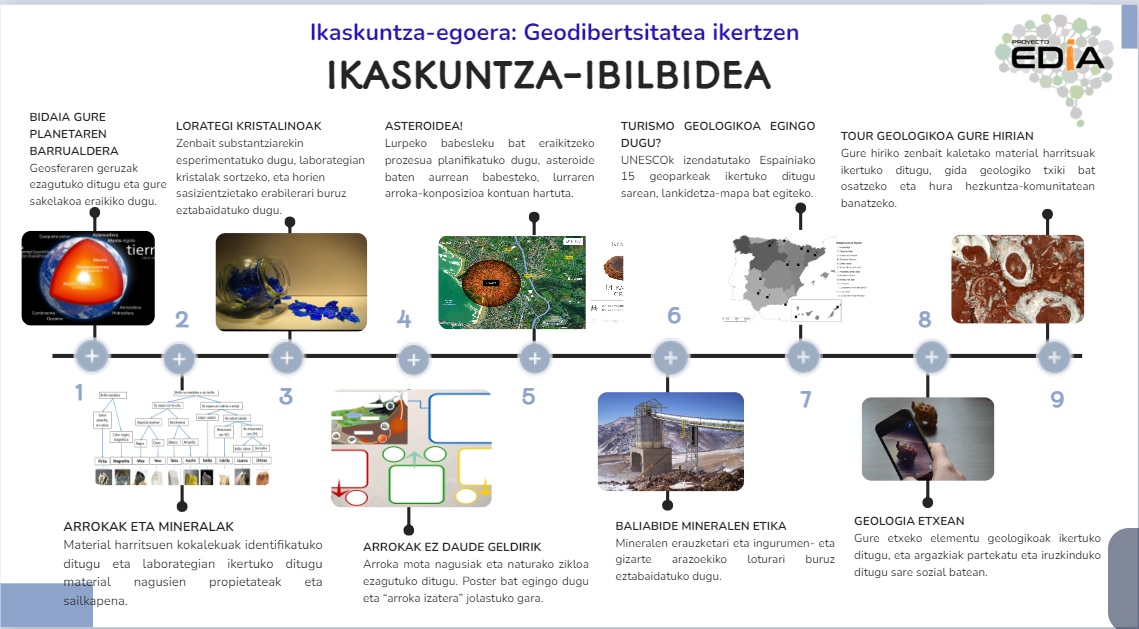
Geodibertsitatea ikertzen
HBI honen helburua da geodibertsitatea eta hura babestu eta zaintzeko beharra ikertzea. Sekuentzia didaktikoa askotariko ikaskuntza-egoerek osatzen dute, erronka gisa aurkeztuta, zenbait saiotan lantzeko.
Horiek guztiek STEM konpetentzia eta gainerako hezkuntza-konpetentziak garatzen laguntzen dute, baita XXI. mendeko hezkuntzaren erronkak ere. Erronka bakoitza ikerketa gidatuen bidez ebazten da, azken ekoizpen batekin lotuta.
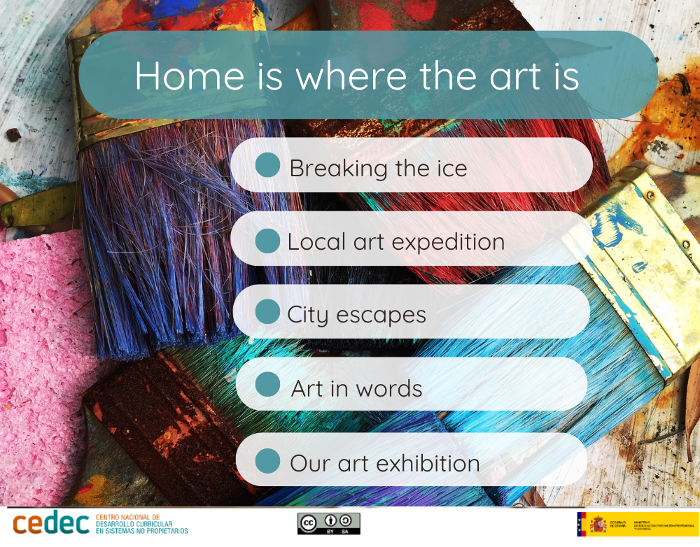
Home is where the art is
Students are going to think of ways of making a positive impact on the world around them as well as mastering their English skills through engaging activities. Through service learning, students will develop the competences that define their output profile when they finish their compulsory secondary school years.
At the end of the project, they will have:
- reflected on the meaning of art;
- given opinion about types of art;
- read official museum web pages, leaflets and key maps;
- identified art elements and described a piece of art;
- promoted an art exhibition in their town.
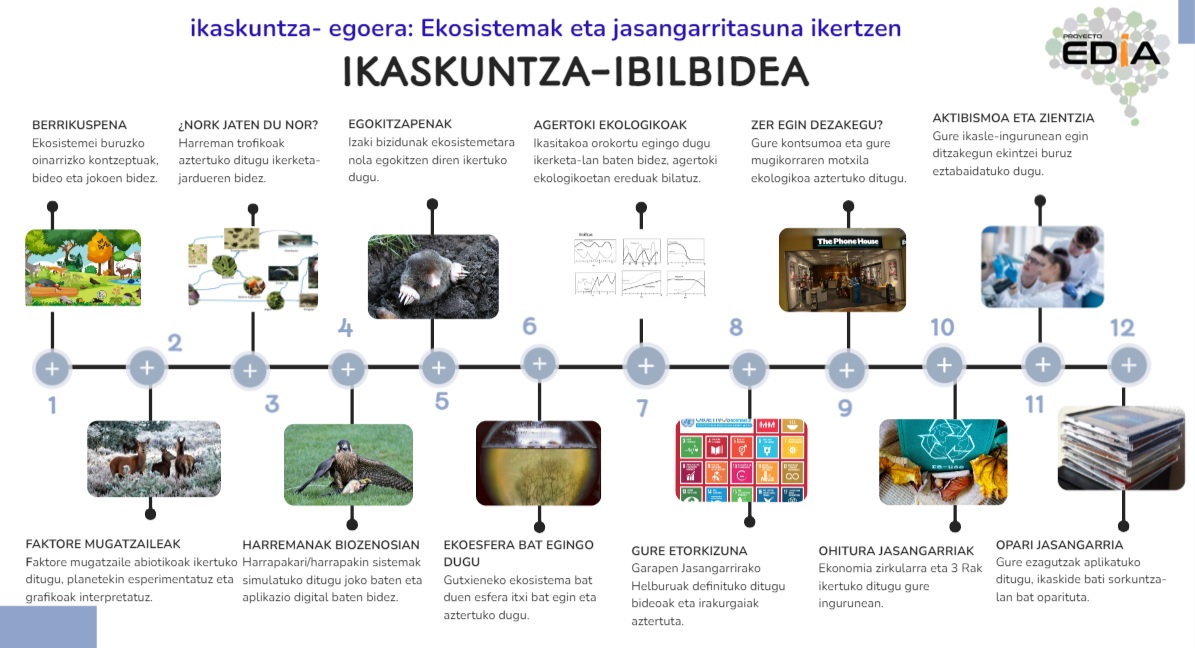
Ekosistemak eta jasangarritasuna ikertzen
HBI honetan, honako gai hauek jorratuko ditugu: ekosistemak, gizakiak haien gainean duen eragina, planeta babesteko egon daitezkeen irtenbideak eta ohitura jasangarriak. Sistema naturalek nola funtzionatzen duten ulertzeak haren orekari eusteko informazioa ematen digu; horrexegatik landuko dugu lehenengo atalean. Bigarren atalean, jasangarritasunaren eta, ondorioz, gure ongizatearen aldeko kontsumo-ohiturak ikertuko ditugu.HBI honetan, honako gai hauek jorratuko ditugu: ekosistemak, gizakiak haien gainean duen eragina, planeta babesteko egon daitezkeen irtenbideak eta ohitura jasangarriak. Sistema naturalek nola funtzionatzen duten ulertzeak haren orekari eusteko informazioa ematen digu; horrexegatik landuko dugu lehenengo atalean. Bigarren atalean, jasangarritasunaren eta, ondorioz, gure ongizatearen aldeko kontsumo-ohiturak ikertuko ditugu.

New York
Students will travel to New York to learn a lot of facts about America and its main cities and design an infographic about their lives. Each section is going to take place in a different part of the city of New York. In each place, there is a proposal of tasks, challenges and activities. At the end of the project, they will have:
- read official websites
- watched videos about the city.
- posted tweets.
- recorded a video.
- recorded a podcast.
- made a digital poster.
- learnt the difference between Present Perfect and Past Simple.
- learnt about the use of “yet” and “already”, “for” and “since”.
- Pronunciation of /e/ vs /ei/
- Vocabulary: personal feelings, opinions and experiences

London
Students will travel to London to learn a lot of facts about The UK and its main cities and write an opinion article about teenagers and free time. Each section is going to take place in a different part of London. In each place, there is a proposal of tasks, challenges and activities. At the end of the project, they will have:
- read official websites of different tourist attractions and about entertainment in London.
- watched videos about the city.
- posted tweets.
- recorded a video.
- recorded a podcast.
- learnt the structure of an opinion article.
- revised the Present Simple, Adverbs of frequency and Questions words
- learnt vocabulary about entertainment, restaurants and things to do in London.
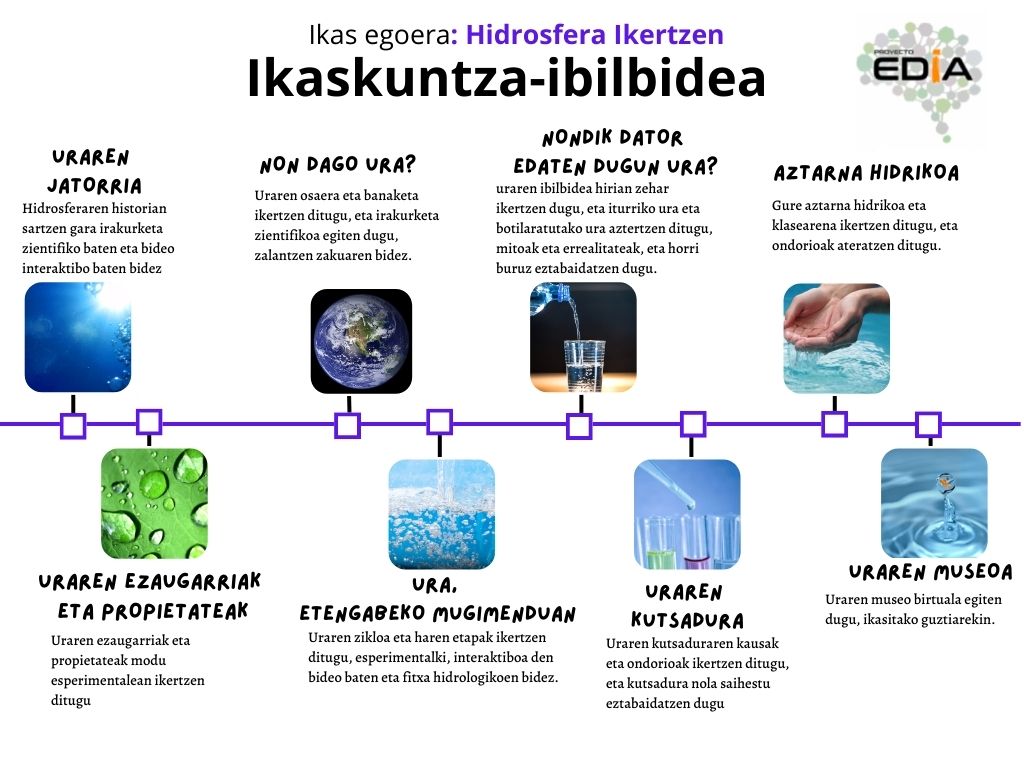
Hidrosfera ikertzen
HBI honi esker, atmosfera ikertu ahal izango dugu: egitura, konposizioa eta funtzioak, berotze globalarekiko nahiz klima-aldaketarekiko loturak eta ekosistemen gaineko ondorioak.
- Sekuentzia didaktikoak askotariko ikaskuntza-egoerak biltzen ditu, erronka txiki gisa aurkeztuta, zenbait saiotan lantzeko.
- Lortu beharreko helburuek lotura zuzena dute Biologia eta Geologiako konpetentzia espezifikoekin eta XXI. mendeko hezkuntzaren erronkekin.
- Erronka bakoitza lantzeko, ikerketajarduera batzuk egiten dira, ariketa bat gauzatzera zuzenduak.
Cork
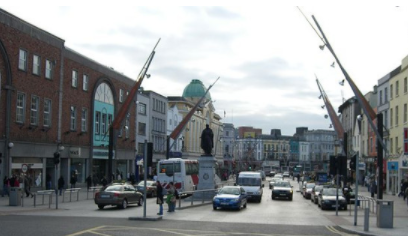
Students will travel to Ireland to learn a lot of facts of Cork and its main landmarks. Each section is going to take place in a different and famous part of the city of Cork. In each place, there is a proposal of tasks, challenges and activities. At the end of the project, they will have:
- read official web pages.
- watched promotional videos of Cork.
- posted tweets.
- recorded a video.
- recorded a podcast.
- made a digital poster.
- learnt the present perfect, affirmative and negative sentences (‘just’, ‘ever’ & ‘never’)
- learnt vocabulary about the weather and the environment.
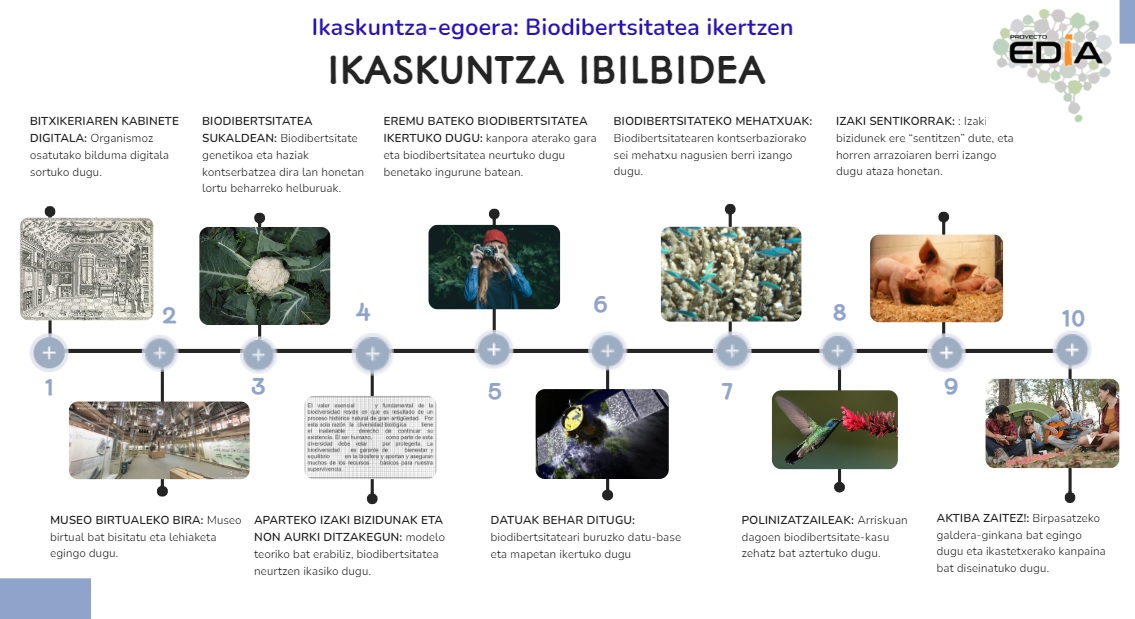
Biodibertsitatea ikertzen
HBI honetan biodibertsitatea ikertuko dugu: zer den, nola neur dezakegun, zergatik den garrantzitsua mantentzea, gizakiak duen teknologiarekin zer eragin positibo edo kaltegarri izan dezakeen eta zer egin dezakegun galera saihesteko. Lehen gerturatze bat egingo dugun arren, geroago ikertuko ditugu ekosistemak, izaki bizidunak bizi diren inguruarekin eta beren artean lotzen dituzten harremanak. Sekuentzia didaktikoa askotariko ikaskuntza-egoerek osatzen dute, erronka gisa aurkeztuta, zenbait saiotan lantzeko.
Horiek guztiek STEM konpetentzia eta gainerako funtsezko konpetentziak garatzen laguntzen dute, baita XXI. mendeko hezkuntzaren erronkak ere. Erronka bakoitza ikerketa gidatuen bidez ebazten da, azken ekoizpen batekin lotuta.