



Buscador global


Mostrando del 2031 al 2040 de 2737 resultados para: Classroom: gestor de nuestras actividades de aula filtrando por: ESO
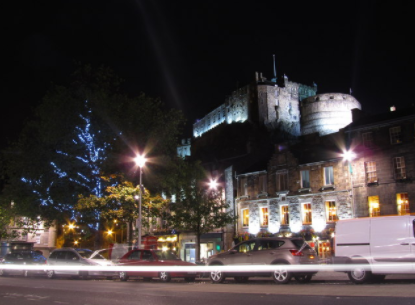
Edinburgh
Students will travel to Edinburgh to learn a lot of facts of its main landmarks. Each section is going to take place in a different and famous part of the city of Edinburgh. In each place, there is a proposal of tasks, challenges and activities. At the end of the project, they will have:
- read official web pages
- watched promotional videos of Edinburgh.
- posted tweets
- recorded a video
- recorded a podcast
- made a mind map.
- written a post.
- learnt the difference between present simple and present continuous.
- learnt about adverbs of possibility and relative Pronouns
- learnt vocabulary about sports and hobbies.
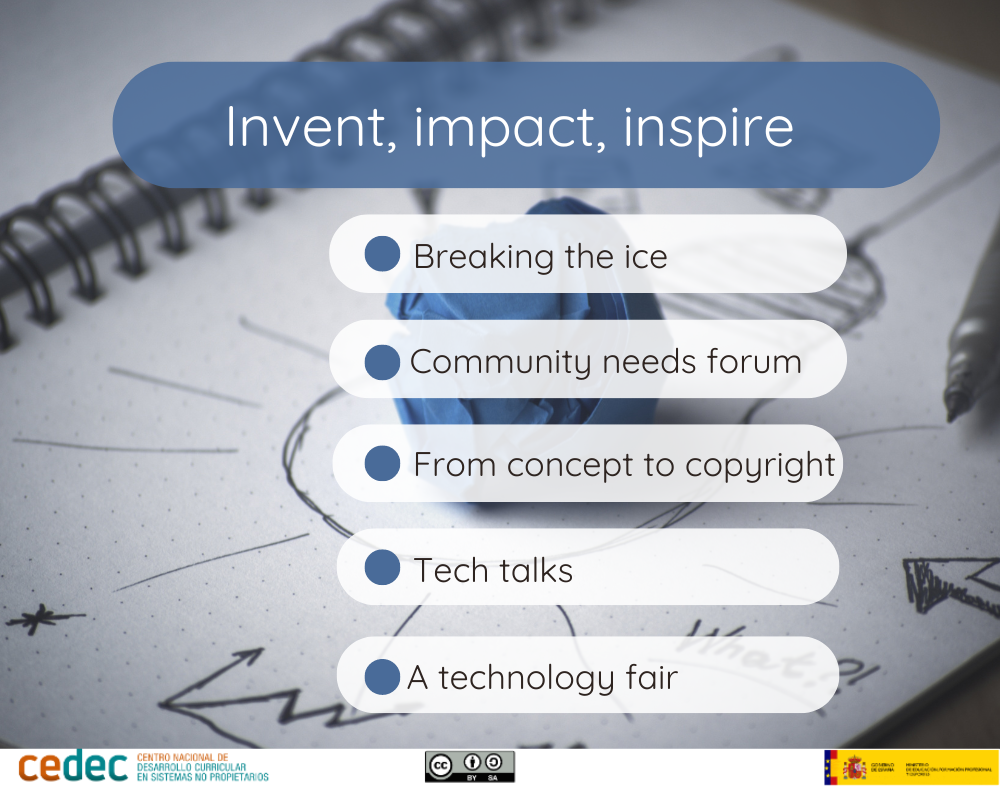
Invent, impact, inspire
Students are going to think of ways of making a positive impact on the world around them as well as mastering their English skills through engaging, interactive activities. Through service learning, students will develop the competences that define their output profile when they finish their compulsory secondary school years.
At the end of the project, they will have:
- learnt about social inequalities.
- reflected on the needs of our community.
- watched videos about inventions and patents.
- analysed and recorded a tutorial.
- presented an invention.
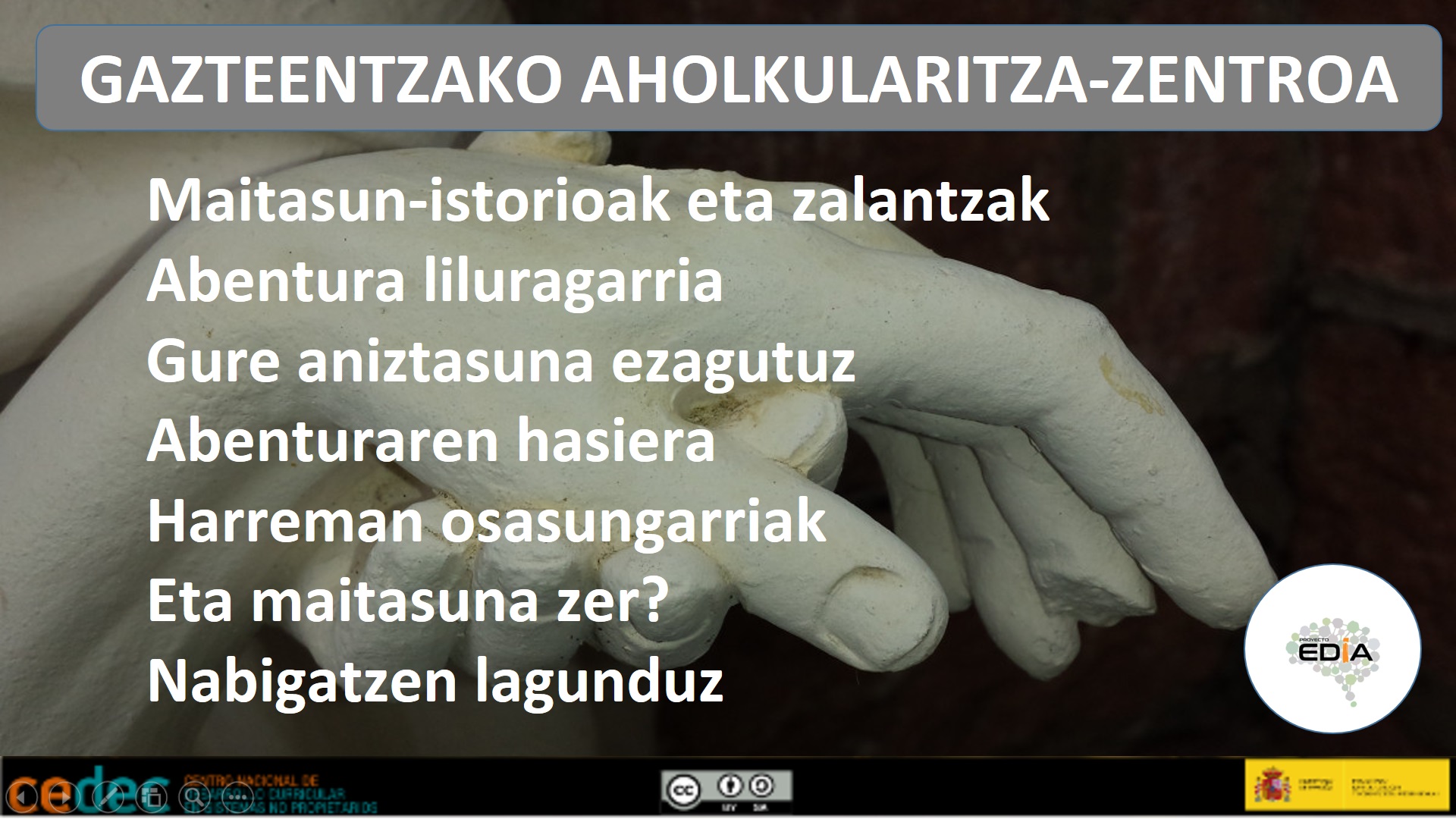
Gazteentzako aholkularitza-zentroa
HBI hau proposamen didaktikoa da, eta gizakiaren ugaltze-aparatua lantzen du, baina ez soilik zati anatomiko eta funtzionala, baita sexu-aniztasunarekin, genero-berdintasunarekin eta ohitura osasuntsuekin lotutako partea ere. Proiektu gisa aurkezten da, ikasleek hainbat ataza egiteko, ikasi, hausnartu eta eztabaidatzeko eta entrenatzeko, gero zenbait baliabide sortu aldera (liburuxkak, zerrendak, konparazio taulak, mapa kontzeptualak, etab.). Azkenik, hori guztia hartu eta erakusketa bat ipiniko dute ikastetxean. Erakusketa horretan ikasleak gaiari buruzko aholkulari jardungo dira.
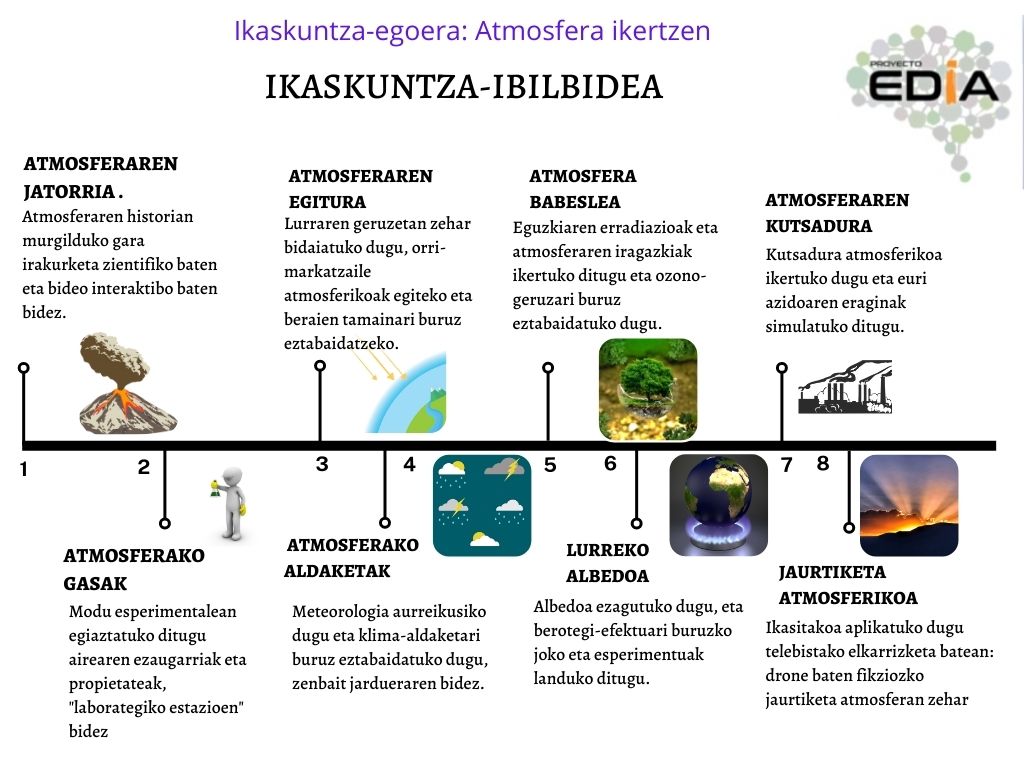
Atmosfera ikertzen
HBI hau baliagarria izango da atmosfera, bere egitura, konposizioa eta funtzioak ikertzeko, baita berotze globalarekiko nahiz klima-aldaketarekiko lotura eta ekosistemen gaineko ondorioak ere.
- Sekuentzia didaktikoak askotariko ikaskuntza-egoerak biltzen ditu, erronka txiki gisa aurkeztuta, zenbait saiotan lantzeko.
- Lortu beharreko helburuek lotura zuzena dute Biologia eta Geologiako konpetentzia espezifikoekin eta XXI. mendeko hezkuntzaren erronkekin.
- Erronka bakoitza ariketa bat gauzatzera zuzendutako ikerketa-jardu

Washington
Students will travel to Washington to learn a lot of facts about America and they will have to design a short video with their predictions for the year 2050. Each section is going to take place in a different part of the city of Washington. In each place, there is a proposal of tasks, challenges and activities. At the end of the project, they will have:
- read some official websites.
- watched videos about the city.
- posted tweets.
- recorded a video.
- recorded a podcast.
- made a digital poster.
- learnt when to use the Future tense.
- learnt how to express probability with will, may ,might (not) and won’t
- learnt the First Conditional.
- Pronunciation of /ae/ – /Λ/
- Vocabulary: probability and predictions

Belfast
Students will travel to Ireland to learn a lot of facts of Belfast and design and record an interview. Each section is going to take place in a different and famous part of the city of Belfast. In each place, there is a proposal of tasks, challenges and activities. At the end of the project, they will have:- read official web pages.
- watched promotional.
- posted tweets.
- recorded a video.
- recorded a podcast.
- made a digital poster.
- learnt the difference between the past simple and past continuous.
- learnt the difference between -ed and -ing adjectives.
- learnt the pronunciation of /ed/
- Vocabulary: shops, clothes and shopping centres

Los Angeles
Students will travel to Los Angeles to learn a lot of facts about America and its main cities and compose a mental map about one topic of the American way of life. Each section is going to take place in a different part of the city of Los Angeles. In each place, there is a proposal of tasks, challenges and activities. At the end of the project, they will have:
- read a tourist guide.
- watched videos about the city.
- posted tweets.
- recorded a video.
- recorded a podcast.
- made a digital poster.
- learnt when to use the infinitive and the gerund and “be going to”.
- learnt about obligation with «have to / don’t have to».
- learnt pronunciation of ae/ – /a:/
- Vocabulary: aspects of American way of life
El primer móvil, ¿cuándo, cómo y para qué?
En este tutorial se aportan pautas sobre cómo saber cuándo ha llegado el momento de dar el primer móvil a nuestras hijas e hijos. Se abordan sus riesgos y beneficios y cómo acompañarlos en el uso de este dispositivo.
Math Review Challenge
“Math Review Challenge” es un proyecto que engloba diferentes actividades de repaso realizada con diferentes grupos de secundaria dentro del área de Matemáticas, con el que a través de las metodologías activas y la gamificación, se fomenta el aprendizaje cooperativo y el desarrollo de competencias clave.
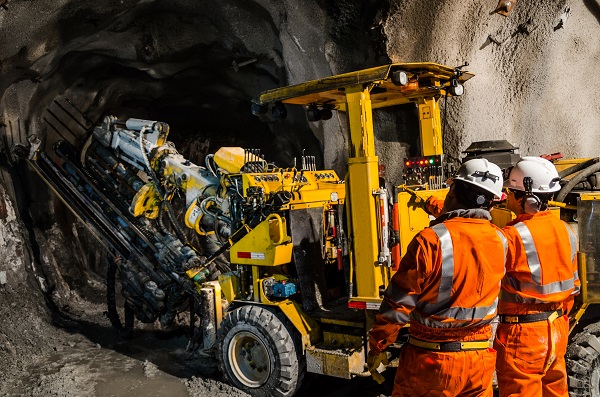
El sector secundario
Este itinerario de aprendizaje hace un recorrido por las actividades del sector secundario, la minería y las fuentes de energía. De igual modo, se atiende a su evolución histórica desde la Revolución Industrial hasta la revolución digital. También se introducen conceptos tales como la localización industrial, la deslocalización y las grandes áreas industriales del mundo, dando relevancia a Europa y España. Todos los recursos tienen sus contenidos teóricos, aunque lo que realmente destacan son las actividades y las propuestas para trabajar las competencias, buscando el pensamiento crítico del alumnado y mostrar la utilidad de lo aprendido y su reflejo en el mundo real.