



Buscador global


Mostrando del 1121 al 1130 de 2460 resultados para: Classroom: gestor de nuestras actividades de aula filtrando por: eXeLearning
Viaje a la Alta Edad Media
Este recurso es el primero de los proyectos que conforman el ciclo de proyectos Viaje a la Edad Media. En él se plantean una serie de actividades que permiten abordar de manera interdisciplinar el currículo de Lengua e Historia. No obstante, es posible también seleccionar las tareas relacionadas solo con una de las dos materias . El proceso de aprendizaje se centra en:
- Conocer el fin del Imperio Romano y la Alta Edad Media.
- Comprender y producir textos: narrativos, descriptivos, instructivos y expositivos.
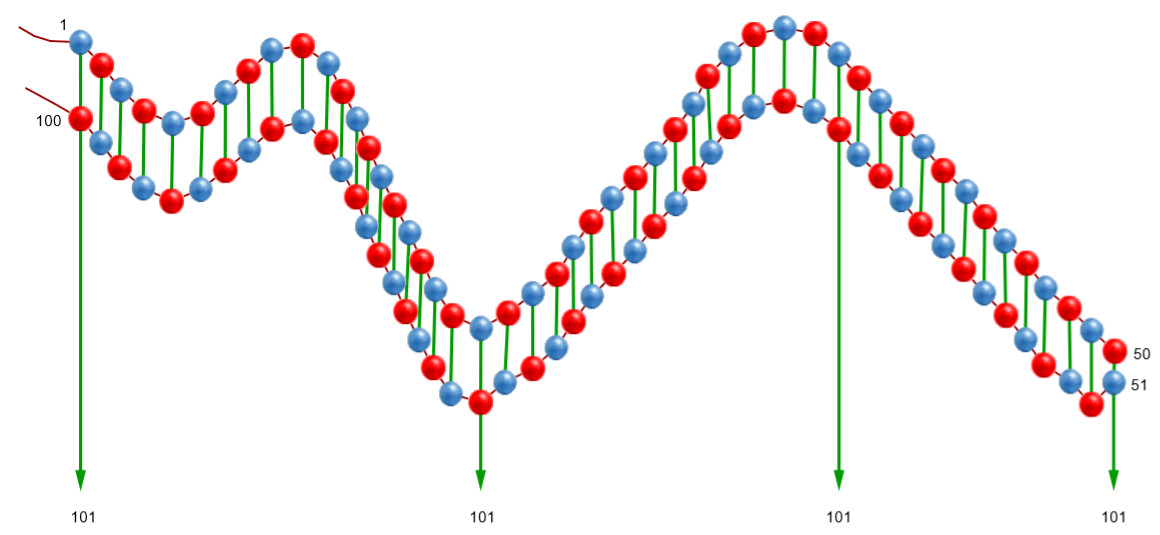
El niño Gauss
Aprovecha la conocida anécdota escolar de Gauss para proponer tres métodos para calcular la suma de los 100 primeros números naturales por medio de distintos agrupamientos.

La población en España y Europa
Este itinerario está compuesto por cuatro recursos en los que se explora el concepto de demografía, indicando sus elementos principales. También se abordan factores importantes para la población y su representación gráfica, así como la densidad de población en España y Europa y los problemas y retos actuales relacionados con la población. El instrumento de evaluación utilizado para comprobar el grado de adquisición de los contenidos es una rúbrica. Como nota característica, todos los recursos incluyen un vídeo elaborado ad hoc por la autora y actividades variadas que permiten adaptarse a la diversidad del aula.
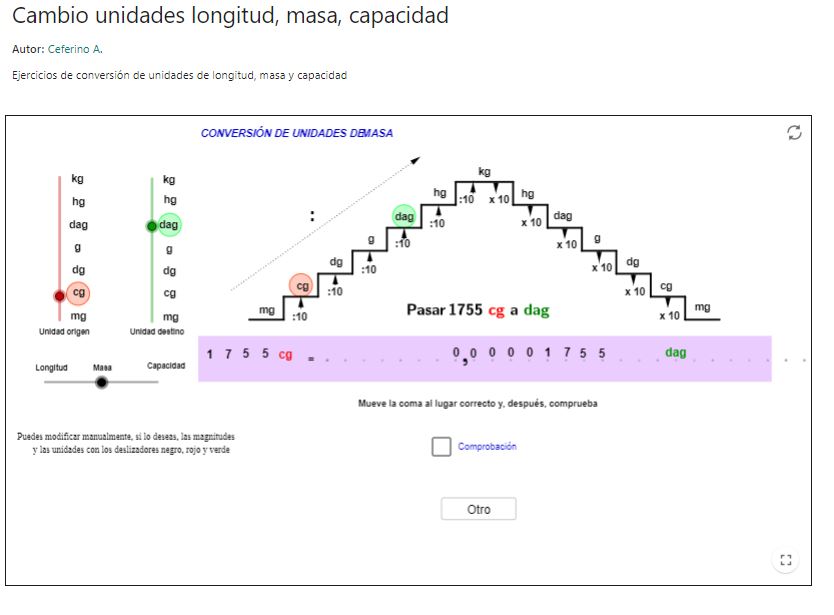
Cambio unidades longitud, masa, capacidad
Se presenta un recurso para la conversión de unidades de longitud, masa y capacidad. La persona usuaria puede modificar las unidades de conversión, y elegir la magnitud (longitud, masa y capacidad). Se apoya con el dibujo de una escalera tanto ascendente como descendente, y las cantidades de conversión con sus unidades donde hay que mover la coma según corresponda. El applet presenta una opción de comprobación sobre el resultado aportado.
Is our life sustainable?
The main objective of this OER is to understand the importance of making our daily lives more sustainable and planet-friendly, through practical work and research into the sources offered.
The learning situation is set out in the form of tasks in which the student:
● Learn the contents of energy, different energy sources, renewable and nonrenewable
energy sources and the Sustainable Development Goals.
● Research using the digital resources provided.Why do we live here?
The main objective of this OER is to understand how ecosystems are structured and applying that learning to the reality of our planet, through practical work and research into the sources offered.
The learning situation is set out in the form of tasks in which the student:
● Learn the contents of ecosystem, food chain and biomes.
● Research using the digital resources provided.Plants
The main objective of this OER is to understand the importance of plants in our daily life, knowing their parts and processes, through practical work and research into the sources offered.
The learning situation is set out in the form of tasks in which the student:
● Learn the contents of classification of plants, reproduction and nutrition of plants and the flora of the surrounding areas.
● Research using the digital resources provided.Argia eta zientzia agertokira
Zientzia- eta magia-ikuskizun bat diseinatu beharko dute, non argiaren ezaugarriez ikasitako guztiaz baliatu beharko duten.
HBIaren helburua STEAM gaitasunak garatzen laguntzea da. Sekuentziak mundu zientifikora eta bere lan-metodora hurbiltzen gaitu, argia eta bere propietateak aztertuz. Ikasleek zientzia eta magiako saio-ikuskizun bat diseinatu beharko dute, ikasitako guztia jokoan jartzeko eta magikotzat har daitezkeen fenomenoak zientifikoki justifikatzeko.
The inventors
The main objective of this OER is to understand the importance of machines and inventions in our daily lives, through practical work and research into the sources offered.
The learning situation is set out in the form of tasks in which the student:- Learn the contents of simple machines, the history of inventions and the creation of an invention to change the world.
- Research using the digital resources provided.
Everything is matter
The main objective of this OER is to understand that everything that surrounds us is matter, its properties and the different changes it can undergo, through practical work and research into the sources offered.
The learning situation is set out in the form of tasks in which the student:
● Learn about matter, its properties and states.
● Research using the digital resources provided.