



Buscador global


Mostrando del 241 al 250 de 283 resultados para: Classroom: gestor de nuestras actividades de aula filtrando por: Aprendizaje Cooperativo

Becoming a cinema director
This OER features the topic of cinema, not only from the perspective of viewers, but also from inside the film industry. With this resource, students will be able to learn some basic notions about how to make a film and will have the chance to play roles as if they were actors. Students will acquire specific knowledge about vocabulary and grammar and will develop their communicative competence through listening and reading activities as well as speaking and writing tasks.
- Sentences in Present and Past tenses
- Past- time expressions
- Place and time prepositions
- Question words
- Vocabulary: types of films
- Vocabulary: adjectives
- Vocabulary: greetings
- Intonation in questions

A TV programme
This OER focuses on the students’ selfpromotion in the case of looking for a job. The act of searching for a job will be carried out by students in the future, but we consider as important that, at this stage of life, they get started to reflect on their skills and on what they are like in terms of personality and start thinking of what jobs they could be really good at in the future. With Your first CV, students will be able to get to know themselves better and will become familiar with how to act and what to say during a job interview.
- Sentences in Present and Past tenses
- Past- time expressions
- Sentences in Present Perfect
- Question words
- Expressions and adjectives to describe TV shows
- Vocabulary on TV jobs and broadcasting tasks
- Use of open and closed questions to find out relevant information in a questionnaire
- Pronunciation practice:scene dubbing; intonation in open and closed questions
Apps & Games
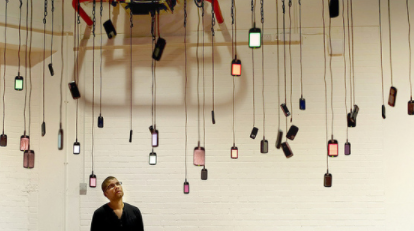
This resource will enable students to go into the world of apps and games. They will become a bit of technology experts by learning about security, responsible use and installation of games and applications. on electronic devices. In this resource, students are provided with activities to practice different linguistic contents that will help them perform several tasks using English as the vehicle of communication.
- use of the Present Simple tense to refer to daily actions
- use of linking words to express several semantic relationships
- expressions to make suggestions: students’ interaction
- giving orders using the imperative mode
- expression of capacity, prohibition, obligation and advice with modal verbs
- use of open and closed questions to find out relevant information in a questionnaire
- pronunciation practice: intonation in open and closed questions
- use of technology-related vocabulary

Our country Expo
With this OER, students will become tourist representatives at an exhibition in which the stands of several cities, regions or countries will offer their best to attract visitors. With the linguistic contents included in this resource, students will acquire specific knowledge about vocabulary and grammar and will develop their communicative competence through listening and reading activities as well as through speaking and writing tasks.
- Sentences in Present tenses
- Present continuous tense for actions in progress
- Present continuous sentences for future plans
- Use of Will future and Be going to
- Vocabulary: city places, geolocation
- Vocabulary: entertainment and celebration activities
- Quantifiers
- Comparative and superlative adjectives
- Recommending and suggesting places
- Intonation and pronunciation in different conversational situations

Your first CV
This OER focuses on the students’ selfpromotion in the case of looking for a job. The act of searching for a job will be carried out by students in the future, but we consider as important that, at this stage of life, they get started to reflect on their skills and on what they are like in terms of personality and start thinking of what jobs they could be really good at in the future. With Your first CV, students will be able to get to know themselves better and will become familiar with how to act and what to say during a job interview.
- Use of the Present Simple tense in affirmative, negative and interrogative sentences
- Use of linking words to express several semantic relationships, above all, addition and reason
- Expressions to give opinions
- Yes/no questions and open questions (questionnaire, job interview)
- Use of open and closed questions to find out relevant information in a questionnaire
- Pronunciation practice: intonation in open and closed questions
- Speaking: free time activities, skills and interests

Writing a newspaper
Students will become familiar with the world of journalism by working on the contents of this resource. They will learn about key vocabulary and will have the chance to practice the English language with listening and reading activities, but above all, through writing and speaking tasks. The tasks intend to be like those situations that students could face in the future in the event of becoming journalists. Apart from that, as this resource fosters reading news articles, it can make students become aware of what is going on in the world nowadays.
- Sentences in Present and Past tenses
- Past- time expressions
- Future WILL
- Question words
- Vocabulary: newspaper parts and sections
- Vocabulary: environment
- Opinion adjectives
- Use of open and closed questions to find out relevant information in a questionnaire
- Intonation in questions

¿Cómo quedaría España si se derritieran los polos? Misión: acción por el clima
Este recurso es uno de los proyectos que conforman el ciclo de proyectos ¿Cómo sería tu mundo ideal?. En concreto, en esta secuencia didáctica realizan una misión para la ONU: Acción por el clima. El proceso de aprendizaje se centra en:
- Conocer las interrelaciones entre el medio ambiente y la acción humana.
- Conocer los factores de localización de las ciudades.
- Conocer el lenguaje poético.
¿Podemos alcanzar el #HambreCero? Misión: erradicar el hambre
Este recurso es uno de los proyectos que conforman el ciclo de proyectos «¿Cómo sería tu mundo ideal?«. En concreto, en esta secuencia didáctica los alumnos deben cumplir la Misión para la ONU: Erradicar el hambre. El proceso de aprendizaje se centra en investigar sobre la población del mundo y de España, conocer las causas de la subalimentación y proponer soluciones, realizar entrevistas y expresar emociones en un videopoema.
Escritores del paisaje. Misión: producción y consumo responsables
Este recurso es uno de los proyectos que conforman el ciclo de proyectos «¿Cómo sería tu mundo ideal?«. En concreto, en esta secuencia didáctica los alumnos realizan una misión para la ONU: Producción y consumo responsable. El proceso de aprendizaje se centra en investigar los paisajes humanizados de los tres sectores económicos y producir textos orales y escritos.
We could have thought about our planet before
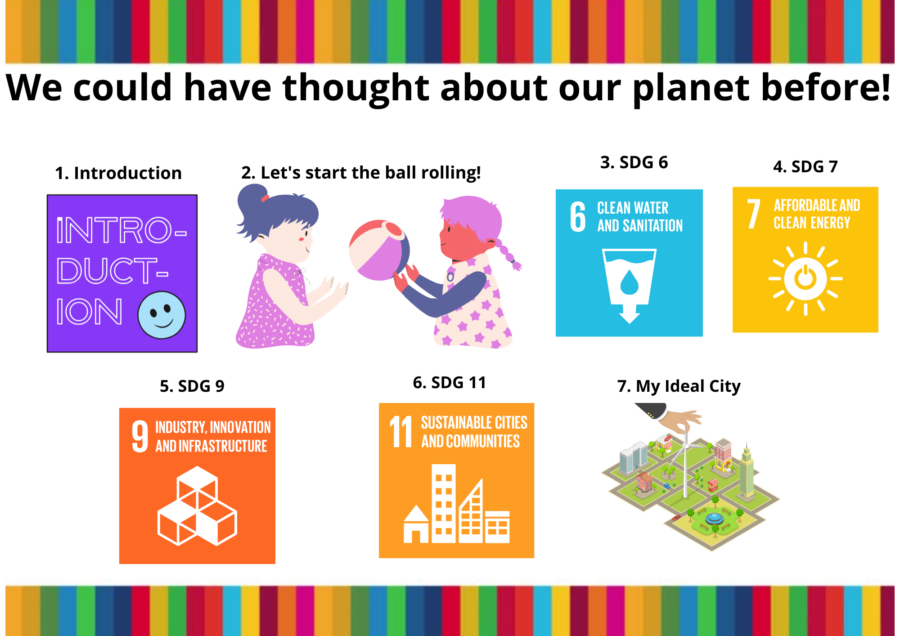
This OER will improve both English skills and ICT ones by using as a context the Agenda 2030: SDG 6, 7, 9 & 11. Students will develop the key competences and the specific competences. At the end of this project, they will have learnt:
- The meaning of clean water, sanitation, affordable and clean energy, industry, innovation, infrastructure, sustainable cities and communities.
- How to explain information, remember details and read awareness.
- How to develop research skills and visual design skills.
- How to express: single past actions which have a connection with the present and unfinished actions which started in the past and continue to the present.
- How to make clear which action happened first.
- How to use relative pronouns and distinguish between defining and nondefining clauses
- How to review the pronunciation of the -ed ending in regular verbs.
- How to mediate