



Buscador global


Mostrando del 111 al 120 de 149 resultados para: Classroom: gestor de nuestras actividades de aula filtrando por: 3º y 4º de ESO
Konexio ikusezinen boterea
HBI honen xede nagusia lotura kimikoaren hastapenak aztertzea da eta adierazteko hiru mailak artikulatzea, hau da, makroskopikoa, mikroskopikoa eta sinbolikoa. Era berean, HBI honek askotariko ikuspegiak garatzen ditu, metodologia zientifikoa deitzen dugun horren barruan. Sekuentzia didaktikoan ikaskuntzako egoerak daude, hainbat saiotako iraupena duten atazak dira eta azken ekoizpen bati lotuta daude.
Geopaisaiak
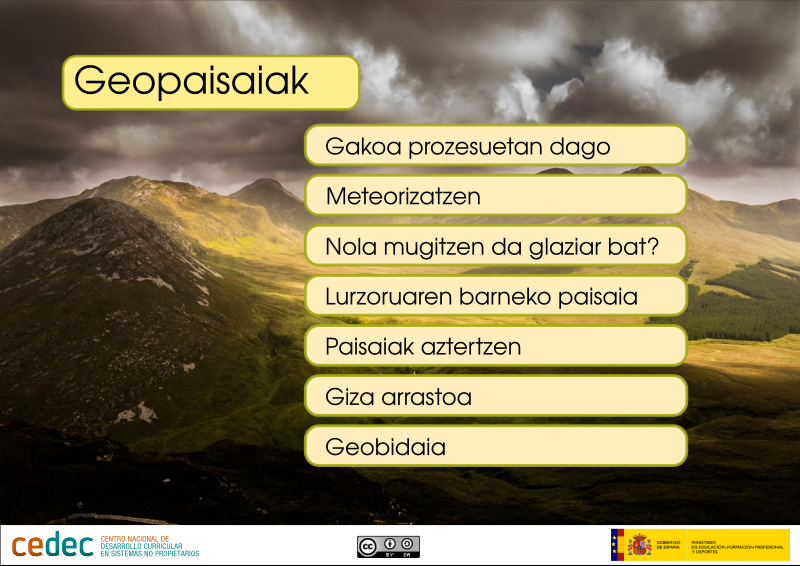
HBI hau kanpoko agente geologikoak eta erliebeak eta paisaiak eratu eta aldatzen dituzten ingurumen alderdiak lantzen dituen proposamen didaktiko bat da. Ikaskuntza egoera bat da, non ikasleek zenbait konpetentzia-ataza egiten dituzten. Laborategian eta Sarean ikerketak egiten dituzte, simulazio eta argazkien bidez, hausnartu egiten dute, ondorioak ateratzen dituzte, eztabaidatu eta txostenak, taulak, glosarioak, etab. egiten dituzte. Ikasitakoa “Geopostaletan” laburbiltzen dute. Horietan, paisaiak eta giza ekintzek duten inpaktua deskribatzen eta interpretatzen dute, ikastetxea ikusgai jartzeko.
Formulatzeko artean sakontzen
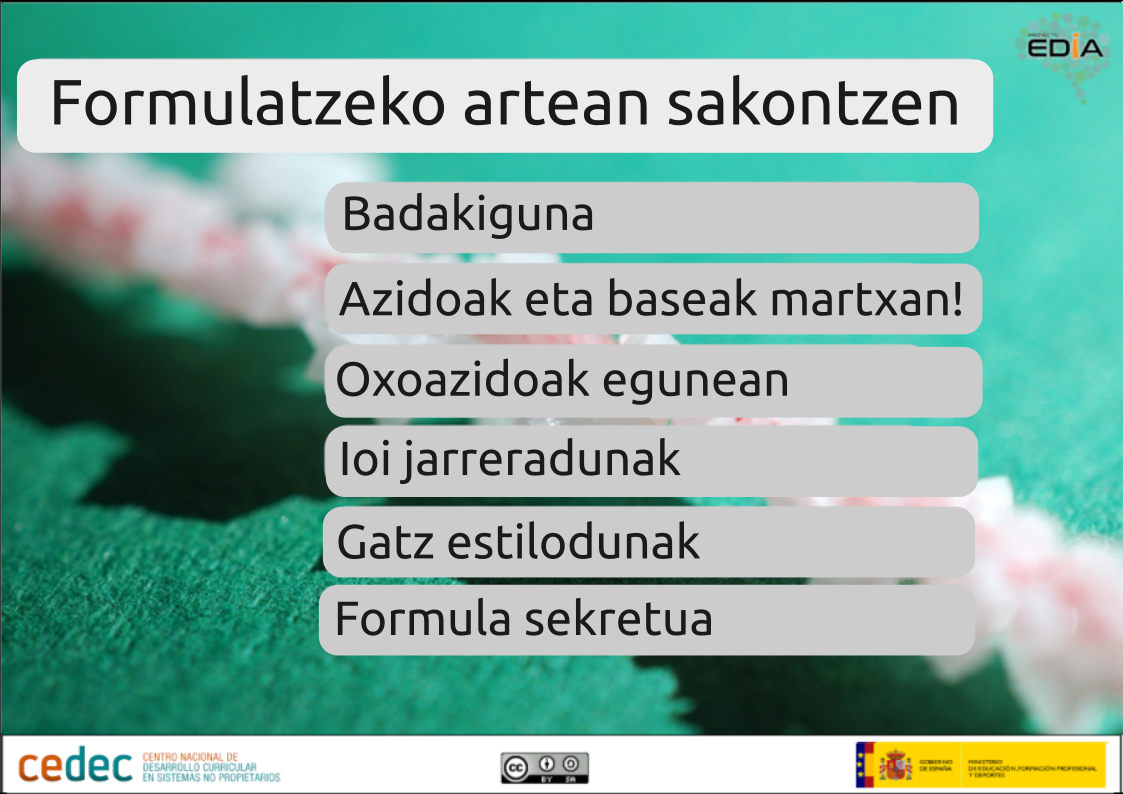
HBI honen helburua da konposatu hirutarrak (oxoazidoak, oxoanioiak, gatzak eta gatz azidoak) ikertzea formulazioaren eta nomenklaturaren ikuspegitik. Gai horri heltzeko, jakintzaren txoko batzuk proposatzen dira. Horietan, konposatu bitarrak abiapuntu hartuta, konposatu hirutarren formulazioan eta nomenklaturan sakontzen da. Ikasleen inplikazioa lortzeko, proposatzen diren atazetan eta jardueretan garrantzi handia dute jolasek, elkarlanek eta lankidetza-lanek; izan ere, horietan guztietan metodologia aktiboak bultzatzen dira, ikasleen inplikazio handia lortzeko. Probak azken produktuak lortzera bideratuta daude, eta, horretarako, banakako nahiz taldekako ekarpenak baloratzen dira.
Formulatzeko artea
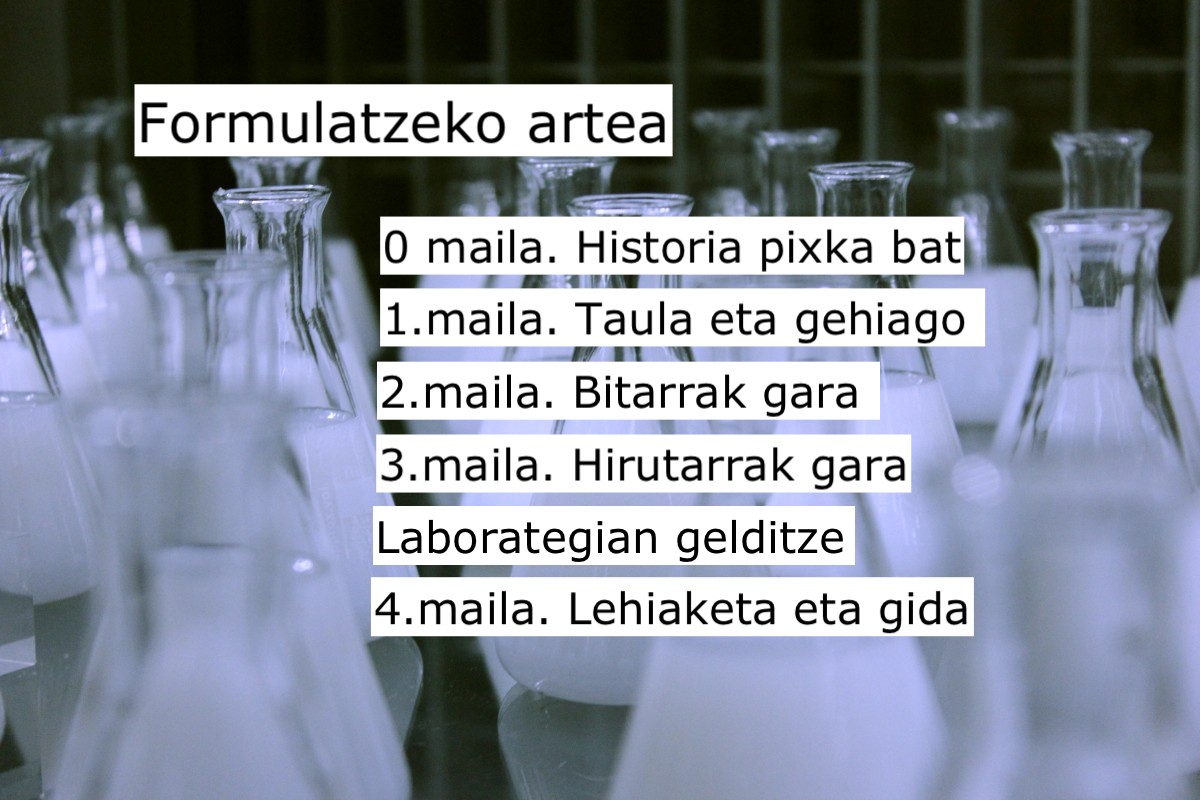
HBI honen helburua da formulazioari buruz ikastea, konposatu bitarren eta hirutarren mailan, hidroxidoen kasuan. Gai honi heltzeko, zenbait maila proposatzen dira, gero eta konplexutasunmaila handiagoa dutenak, eta maila batetik bestera pasatu ahal izateko horiek gainditzen joatearen garrantzia azpimarratzen da. Ikasleen inplikazioa lortzeko, proposatzen diren atazetan eta jardueretan garrantzi handia dute jolasek, elkarlanek eta lankidetza-lanek; izan ere, horietan guztietan metodologia aktiboak bultzatzen dira, ikasleen inplikazio handia lortzeko. Probak azken produktuak lortzera bideratuta daude, eta, horretarako, banakako nahiz taldekako ekarpenak baloratzen dira.
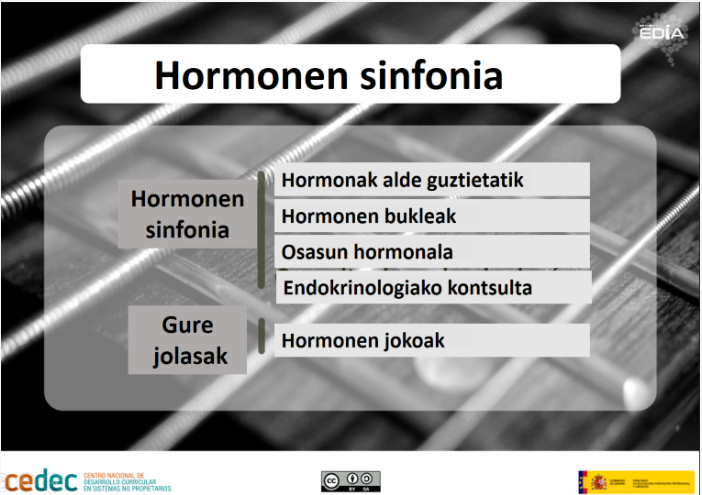
Hormonen sinfonia
HBI hau ikaskuntza-egoera bat da, sistema endokrinoarekin lotutako oinarrizko jakintzak lantzen dituena. Ikasleek trebetasun zientifikoak lantzen dituzte, beren anatomia eta fisiologia eta horrekin lotutako egungo osasun-gaiak ikertuz, bideoetako eta grafikoetako datuak aztertzeko atazen bidez, laburpenen bidez, galdetegiak sortuz eta irakurketen eta haien ondoko eztabaiden bidez.
Tarteko produktuak egiten dira, eta koaderno batean eta banakako proba batean adierazten. Helburua joko bat diseinatzea da, landu duguna bilduko duena.
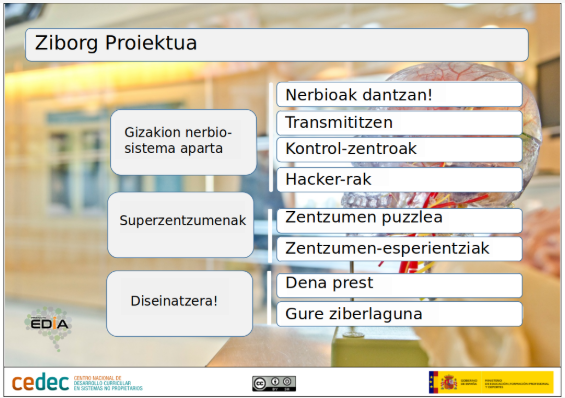
Ziborg Proiektua
REA hau ikaskuntza-egoera bat da, nerbiosistemarekin eta zentzumen-organoekin lotutako oinarrizko jakintzak lantzen dituena. Ikasleek beren anatomia eta fisiologia aztertuko dute, ikerketa-, esperimentazio-, simulazio-, datu-analisi-, laburpen- eta irakurketa-lanen bidez, eta, ondoren, eztabaidak egingo dituzte, hainbat bitarteko ekoizpenekin.
Hori guztiarekin, azken helburua lortuko da, «Desing Thinking» metodologiarekin eta IAren laguntzarekin, ikasitako sistemak analogiak eginez ziberikasle bat diseinauko dute. Ikerketa koadernoaren eta probaren bidez, diseinatzaile izateko prestatzen dira.

¿Cómo nos vemos? ¿Cómo nos ven?
Esta situación de aprendizaje se organiza en torno a dos ejes: la reflexión y el desarrollo de una mirada crítica sobre la manipulación de la mujer en la publicidad y el conocimiento de las características de la publicidad y de la argumentación para desarrollar una opinión personal. Quiere conseguir a través del desarrollo de las competencias específicas del área los siguientes objetivos didácticos:
- Analizar de manera crítica la imagen de la mujer en la publicidad.
- Reconocer las características de los discursos publicitarios.
- Conocer algunas características de los textos argumentativos y utilizarlas en sus textos.
- Reflexionar sobre los prejuicios sexistas y buscar soluciones justas para los mismos.
- Elaborar y producir un anuncio audiovisual que refleje estas alternativas
- Utilizar las TIC en el proceso de aprendizaje de manera eficaz.
- Cooperar de manera eficaz y solidaria en el trabajo en grupo.
- Reflexionar sobre los propios procesos de aprendizaje.
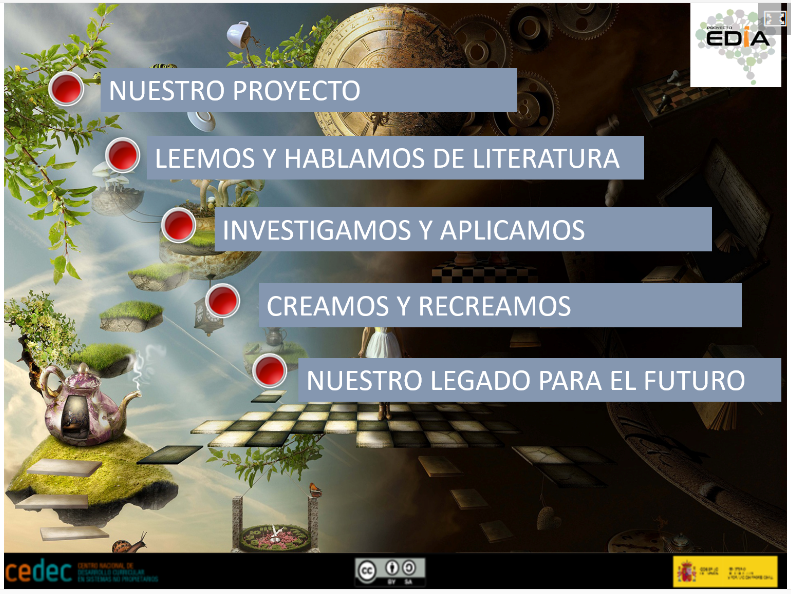
La imaginación al poder
Esta propuesta tiene como eje fundamental el trabajo con los textos literarios de la primera mitad del siglo XX (periodo de entreguerras) y especialmente de los autores y autoras de la Generación del 27. Quiere conseguir a través del desarrollo de las competencias específicas del área los siguientes objetivos didácticos:
- Leer, de manera guiada, textos literarios del periodo de entreguerras (décadas 20 y 30).
- Construir el sentido de los textos literarios trabajados mediante el diálogo.
- Reconocer características básicas de algunas tendencias de la época así como de autores y autoras representativas y su relación con el contexto en el que surgen.
- Crear un poema surrealista que muestre la comprensión de la Literatura de la época.
- Buscar y seleccionar información en fuentes diversas, usando estrategias de búsqueda avanzada.
- Utilizar las TIC en el proceso de aprendizaje de manera eficaz.
- Cooperar de manera eficaz y solidaria en el trabajo en grupo.
- Reflexionar sobre su propio aprendizaje.
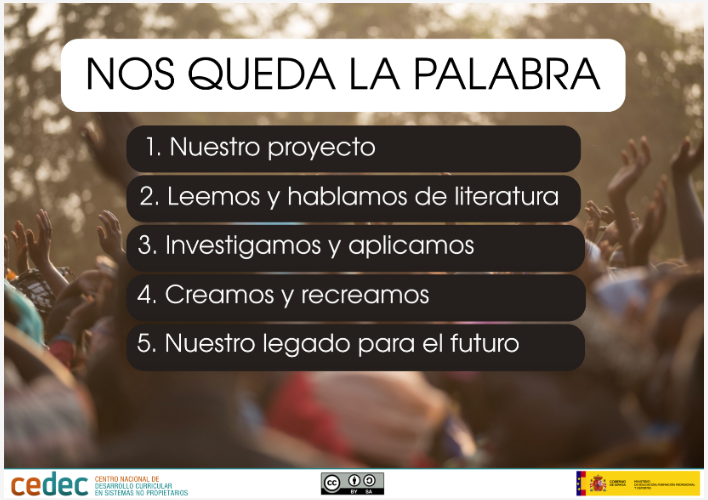
Nos queda la palabra
Esta propuesta tiene como eje fundamental el trabajo con los textos literarios de la segunda mitad del siglo XX. Pretende conseguir a través del desarrollo de las competencias específicas del área los siguientes objetivos didácticos:
- Leer, de manera guiada, textos literarios de la segunda mitad del XX.
- Construir el sentido de los textos literarios trabajados mediante el diálogo.
- Reconocer características básicas de algunas tendencias de la época así como de autores y autoras representativas y su relación con el contexto en el que surgen.
- Realizar la representación de una breve escena teatral que contextualice en la época actual uno de los textos trabajados y que muestre la adecuada comprensión del mismo.
- Buscar y seleccionar información en fuentes diversas, utilizando estrategias de búsqueda avanzada.
- Utilizar las TICs en el proceso de aprendizaje de manera eficaz.
- Cooperar de manera eficaz y solidaria en el trabajo en grupo.
- Reflexionar sobre los propios procesos de aprendizaje.
Y tú, ¿qué harías para mejorar el mundo?
El eje fundamental de esta propuesta es el trabajo con los discursos orales interactivos como contenido lingüístico y con los ODS como contenido temático. A través del desarrollo de las competencias específicas del área, quiere conseguir los siguientes objetivos didácticos:
– Reconocer las características de la comunicación oral y , en especial, de los textos orales dialogados y del “World Café“.
– Reconocer los aspectos fundamentales de los «ODS»
– Planificar y redactar textos escritos de tipo informativo.
– Planificar y realizar debates y un “World Café».
– Buscar y seleccionar información utilizando las TIC.
– Cooperar de manera eficaz en el trabajo en grupo.
– Reflexionar sobre los propios procesos de aprendizaje.
– Valorar la importancia de los textos orales interactivos en la vida cotidiana.
– Desarrollar una actitud crítica hacia los problemas de la sociedad.